Venturing to different countries or travelling 1000 miles has seemed to become the defining action of what ‘travelling’ is. The Collins definition of the verb is ‘to go from one place to another, often a place that is far away’. Within this definition, I am interested in the use of ‘often’ instead of ‘always’. The placement of ‘often’ allows for the exploration of places within close proximity to also be defined as travel. This prompts the question: do you recognise such ‘travelling’ opportunities in front of you?
Returning to university life, with the academic term fast approaching, has a certain monotonous undertone. Especially when your life consists of Elvet Riverside, Maiden Castle, and The Viaduct on rotation. The importance of recognising the potential of your surroundings instead of yearning to be abroad discloses an alternative secret world.
By wandering around these areas, you notice many spots are unfrequented. The secluded nature of these places gives you the ability to escape within your own ecosystem. The dynamic of a place accessible to so many, yet filled by only you, brings a deep sense of reward. The fact that anyone could be here, but aren’t, lends you an illusion of superiority; you’re in on a secret and no one else is. Possessing this exclusive knowledge gifts you with a higher sense of awareness. That’s why articles have the word ‘hidden’ in their title, to entice you. It’s what I’m attempting to do now.
Belmont Railway
Situated north-east of Durham, the Belmont Railway Viaduct towers over the River Wear, festooned with weeds and vines. Only accessible by a path hugging the roaring flow of the Wear, it is unsurprisingly accompanied by a sense of isolation. Completed in 1856 and closed in 1964, its cloudy grey stone and brickwork are a testament to Victorian engineering and the design of Thomas Elliot Harrison. A significant piece of history, which simultaneously acts as a standing reminder of the ‘Railway Mania’, which took place in the 19th century. Three hours will enable you to do a loop from the centre of Durham and return from visiting this structure.
Crook Hall Garden
A surprisingly unknown pearl situated opposite the Business School. With sections dating back to the first half of the 14th Century, it is natural to understand why the likes of William and Dorothy Wordsworth visited. The medieval structure is surrounded by complementary gardens filled with a medley of flowers and a moat pool. With a maze, café, and a second-hand bookshop, it is no wonder the Hall and garden are rated as one of the top Gardens in the North East. Owned by the National Trust, there is a price upon entry, however £8 setting you back is a bargain for the experience. After visiting in May, they were handing out free cyanotype photos, so you never know what might be behind the gate!
Lake District
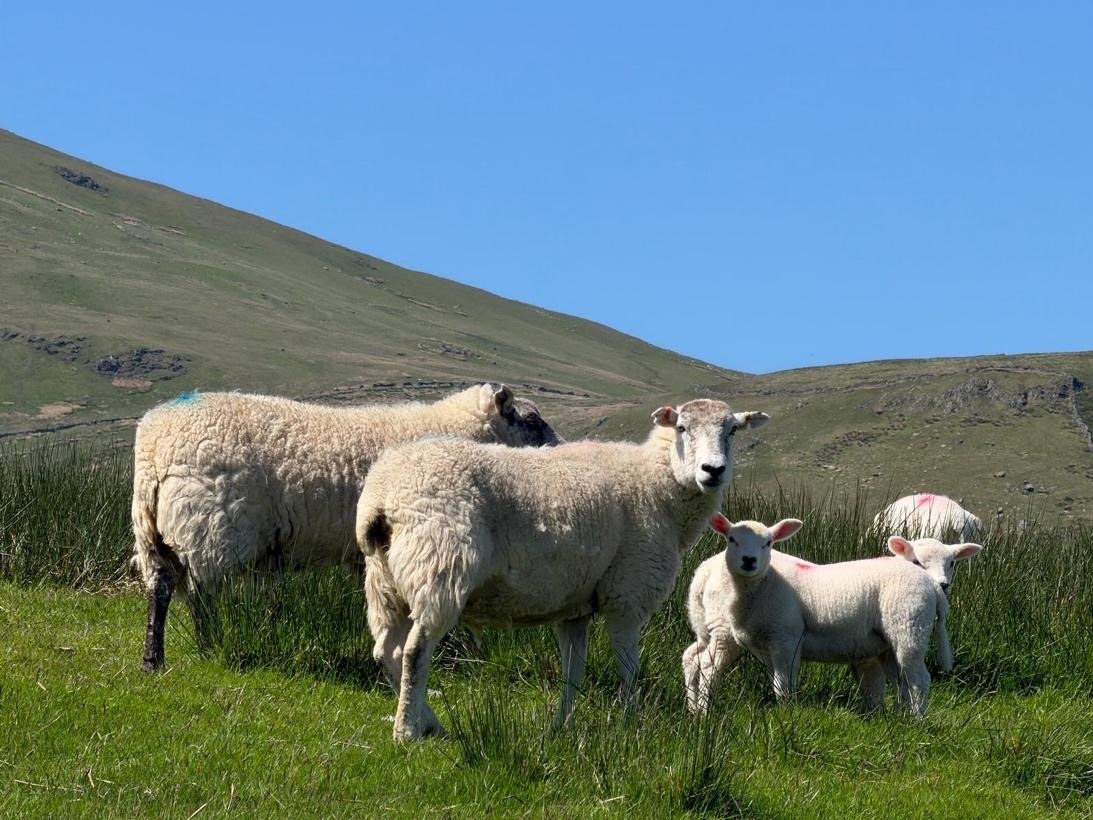
Maintaining a connection to the Wordsworth siblings, although not on the door step, a 90 minute drive away is Penrith. Hiking around the multiple lakes and through the inspiring landscapes, the literary creativity produced by the scenery is no coincidence. From gingerbread to Jemima Puddle Duck, you could build cathedrals (of which there is a lack of in the lakes) with the opportunities available. Often passing other hikers, you join a unique fellowship of strangers who stop to converse. When visiting earlier this week, slumped in a chair, arched back with head in hands, sat a 76-year-old man with his wife. His name was Ian, a retired police officer who worked for 30 years. After bumping into him twice on the trail from Grasmere to Ambleside, his passion for drawing and his son training to be a primary school teacher were revealed. Fleeting conversations is a distinctive feature of the Lakes, making it a tonic for the soul. By splitting petrol and scouting Airbnb, a night away can be as little as £25.
Ushaw
Located 10 minutes West of Durham down Broom Lane is where the historic House and Chapels of Ushaw sit. Opening to the public in 2014, Ushaw has a rich Catholic History, originally being used as a religious community for training priests. When Ushaw opened in 1808, there was anxiety surrounding a potential anti-catholic reaction. This led to the construction of the Georgian Period Country House, which served as a disguise to shroud the true purpose of Ushaw. These vast collections of spectacular structures host events throughout the year, including music functions and floristry workshops. ‘Discovering the Big Library’ is held every month until December too, allowing you to see rare first editions such as Charles Darwin’s On the Origin of Species.
There are plenty of places situated close by just longing to be explored. When looking at Pausanias, the Greek Historian and author of the earliest surviving guide to Greece, travel has always had connotations of a vibrant, foreign culture. However, this vibrant foreign culture can be overlooked when so close. So make sure to look outside!