Categories
Poetry

Charmed


By Breannah Holton


Monday’s child is miserable,

Tuesday, your child’s thoughts are frightful but few,

Wednesday’s child is sullen,

But in tempest I am beguiled by you.


Walk alone, a storm won’t make good company,

Call it gloom, I call it grey,

Patters, echoes of a tender christening,

Listen up, it is not rain

but the tenderness of you kissing all mean-spiritedness away.


Past cobbled walls hear songs of grace,

Blow candles in the air

but hold your wish close to your face,

Hear it whisper, but don’t say its name,

I made a wish: that our wishes would be the same.


Featured Image: Natasha Ranawake

Categories
Creative Writing

Thoughts, from outside my skin

By Aaliyah Angir

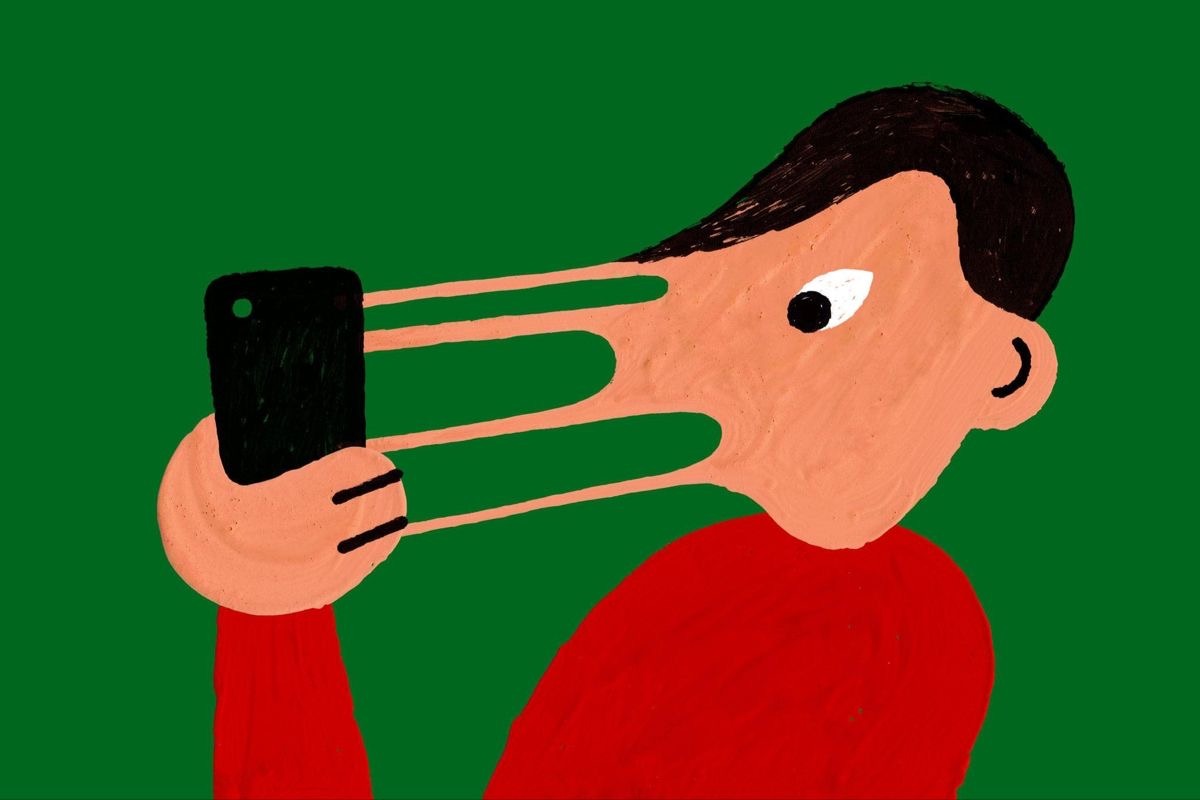
On a busy shift I stand in the corner, tucked away – out from underfoot. I watch whilst an autopilot drives my body, a smile stretched too wide across my face as I take one order after the other, an endless onslaught of: toffee banana matcha, black americano with hot milk, a vanilla frappe but without the coffee – ‘wait could you do that as a soy flat white?’ All the while a clammy sweat makes its way down my spine as I push and pull in a seemingly endless dance with the espresso machine.

When the autopilot drives my body home after a suffocating shift, I watch over my body – limp in bed – scrolling away on the internet trying not to send every post to someone that I’m hoping, somewhere in the back of my mind, could be more than just a friend. The muscles in my back begin to ache from hunching over my body for hours at a time, till my thumbs get too tired from the endless scroll, send, scroll, is this too obvious? send. My autopilot switches off and my body falls to sleep.

I stand there, while the minutes creep past me ‘C’est la vie’. Thoughts crawling around the inside of my mind, skittering around something I should’ve told you years ago.

I clock off at 6am when autopilot takes over for another busy shift. I sit in the back of my head watching, waiting: ‘hi welcome – can I take you order please – oh that sounds so lovely – yes our Dubai chocolate matcha brookie’s fantastic’. I can’t digest any of the words I spew. I slump like a marionette as the till pulls my strings, clacking away to the sound of a whistling teapot.

By the time I clock off, it’s already too late. My skin slumped over a tiny gold light box as I watch her life pass me by. Posted up with her boyfriend, her baby, her financed car, her brand new home. I don’t even have the energy to wonder if that could’ve been me, where he stands now.

I sit in a puddle of my own skin as my auto pilot sets an alarm, same time tomorrow?

Categories
Poetry

The End of May

By Owen Hall


This is the last time I write to you

Green grasper

Of serpentine spring vegetables,

And leaves, leaves, like Plantagenets

In rows.


All these words I hold a whole world in:

Daisy, honeysuckle,

Spawn from our dead morning’s dew,

Meaning for a moment. 


But I do not say I told you so 

And I do not say that all things end 

With a rent in the sky 

And angels

Angels


Pouring white angels on your bed.


Today is the first of many.


“Go on then”

She says

“Will you have me?”


“Not me, I am in county jail”

Masked madman that I am:

Highwaything

Love thief 

“No, swan, I will go on!”

I say it and deep down I mean it


Right then, I will, I mean it.

Es ist ein Ende des Mai

Der Mai ist verweht,

If now is the time for anything

Then now is the time to leave


Featured image: Aaliyah Angir

Categories
Creative Writing

Tattoos

By Isabella Tarttelin

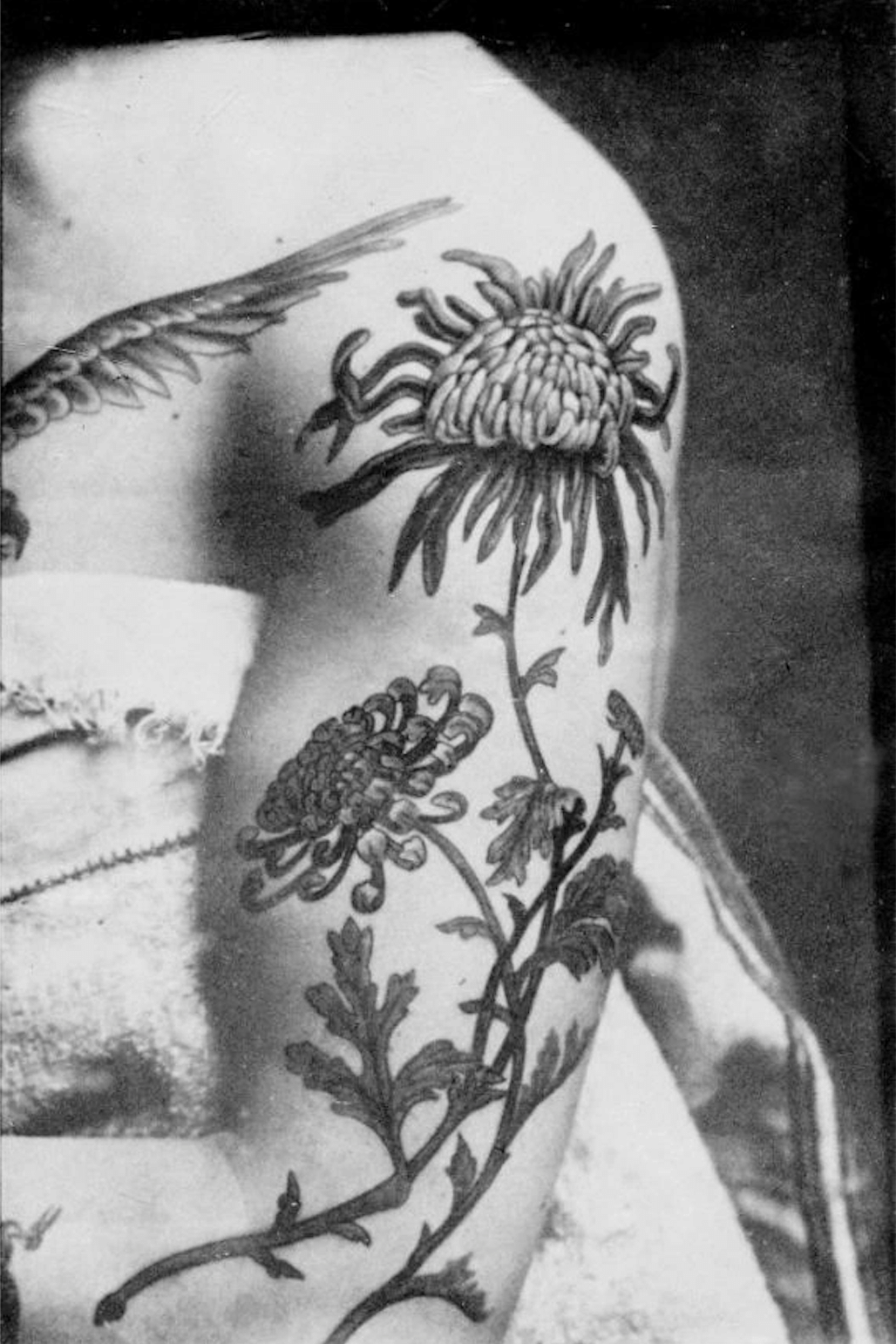
I’ll get a tattoo and I’ll memorialise you onto my body. I’ll endure ten minutes of suffering for a sunflower on my ankle so that when I look at it, I’ll think about all the pain it caused me. As if I didn’t know that already. As if that cold instance of inked pain was anything to the flood that choked and thrummed beneath my ribcage. And I’ll scratch and pick at the bottom of this bucket of gags until there is nothing left and I am left chewing on my lip. A cracked and dry lip that only recently tried to pathetically layer lip balm. ‘What happens when there is nothing else to say?’ whispers past those gates. So maybe I’ll lie, I’ll write you into my academic plans and travel visits and fable you to my employers for an easy day off. If I’m drunk enough, it’ll let leak my guilt of promises to write and call. Perhaps I’m older now, I’m no longer inflicted by the adolescent adherence to trivialising things such as affection. No longer desperate for time to pass and things to change, bodies to grow and friends to move. Not until the presents were past and your handwriting no longer wept into Christmas and birthday cards.

 I’ll stand up in the living room and declare sweet thoughts and soft memories as if they weren’t shoved under the bed alongside functions of x. I’ll fish around in the dust and delicately unfurl the edges of my fist and wonder why it took this for me to realise. Maybe they’ll believe this performance, maybe they’ll see through the filmy layer hiding self-condemnation, maybe I just didn’t realise that I held you so tight until you were prised away. Leaving little half-moons indented into my palm like a sofa depression gone cold in the early evening. But it’s easier to ignore all these little complications so I don’t fall apart entirely as I stand, so I’ll pick the part that can cohere the big holidays and silly games into a terse comment about life. I’ll pick the part that allows the rest of you to simper and awe, readily presenting your jewelled rehearsals. All holding our breath, shuffling our feet, silently competing for the most touching reminiscence. For the most worldly advice about grief; touching my arm and whispering a piss poor metaphor about death and glitter. And I’ll try to look them in the eye but they’re gazing off, providing a desperate mimicry of a monologue. Playacting, because it’s far easier to prance about on a stage than to see this theatre is empty. There’s no audience, we’re all up here, senselessly sliding our stares at the wings for her to come out and accept these flowers. Big fake flowers that will die with her anyway and big fake frowns that she told me she hated. Wasn’t she terrific; she hated unhappy faces? Maybe I’m angry, maybe I’m bitterly desperate to shatter this poised room and cut my tongue facetiously recounting her serrated benevolence and prove to everyone that if she really was perfect, she’d be here.

So I’ll get a tattoo and I’ll get on a bus after asking for the wrong ticket and endure the glare from the bus driver. I’ll sit on the only seat that isn’t stained from a drunk tussle from the night before. I’ll stand up a little too early for my stop and be catapulted three meters down the bus but still thank them for their generosity. I’ll spend the money that I earnt at my minimum wage job, and I’ll pretend it doesn’t hurt as much. I’ll trace the needle clusters and smudge the ink and think ‘God, this is forever’, and mourn all over again. I’ll pass the beauty shop on my way back home and linger around the Chanel section. The worker will ask me if I need any help and I’ll smile politely and say no and pocket a sample of your perfume. I’ll curl up in my bed and watch wedding reels and graduation ceremonies and fantasise. I’ll let tears of ink and a faded scent permeate your way into my womanhood. I’ll grab my coat at the last minute to ‘keep my kidneys warm’. I’ll eat mincemeat out of the jar and roll pastry much too thick. I’ll judge quickly and won’t let any fool suffer gladly. I’ll squirm at prawn cocktail crisps and fall asleep listening to the television. I’ll become a part of the edge you left behind, and the tattoo will only be a scab which picks at my guilt and anger and pitiful acceptance.

Featured Image: Sutherland Macdonald

Categories
Perspective

Anubis Likes to Chat

By Pedro Couto

There were only three things I knew about Harlan Ellison’s writing. First, that it was highly influential, and had inspired writers among the likes of Neil Gaiman. Secondly, that Ellison seemed to take pleasure in writing horror and sci-fi, and speaking to the depths of the self-destructive capacities of the human condition, reflective perhaps of his highly volatile and controversial personality. Lastly, I knew that he wrote much in the same way that an oracle speaks prophecies. I read arguably the most famous of his works, I Have No Mouth and I Must Scream when I was still in sixth-form and was shaken by it, reading a super-intelligent AI claim the title of God for itself, in an age in which AI companies increasingly put us all at risk by trying to make that very reality possible, was eye-opening to say the least. Since reading that short story, I had wanted to read more of Ellison’s works but hadn’t quite landed on the opportunity. That was, until I found a collection of his greatest short-stories for rather cheap at a TK Maxx. Once again, reading Ellison, I found myself afraid, vulnerable – but unlike in the past, hopeful, too.

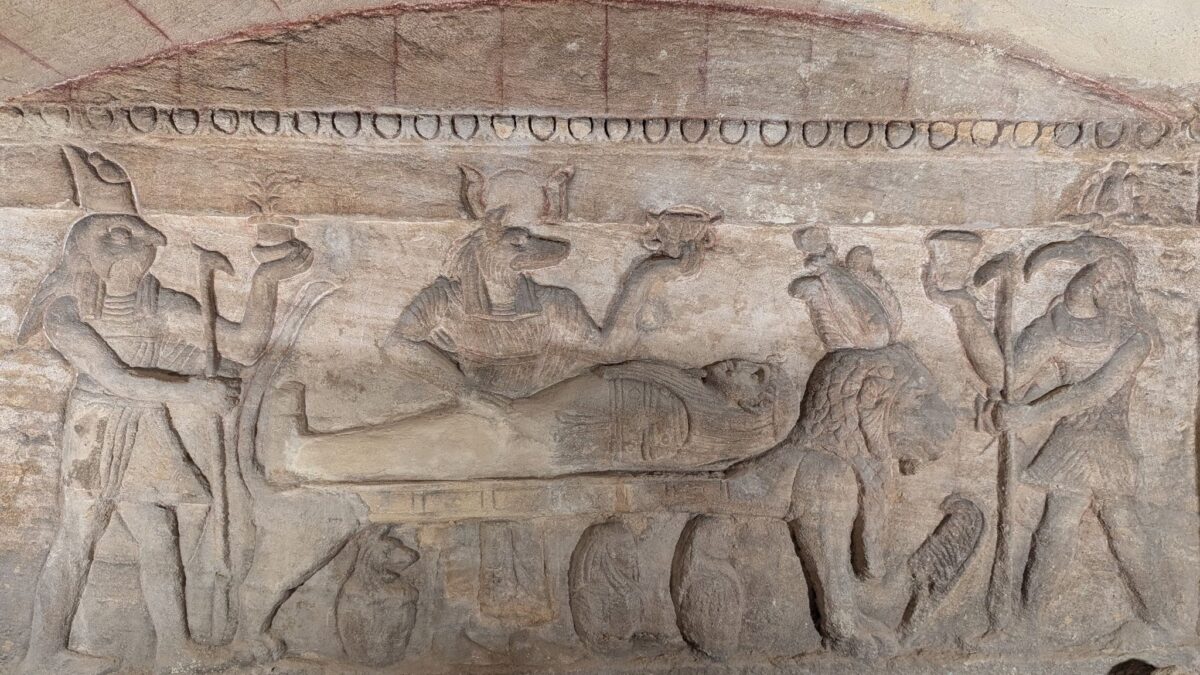
The story I’d like to focus on is called Chatting with Anubis (1995), and it is easy to see where the fear and vulnerability materialise here. Two paleoseismologists, Wang and Amy, delve under the Siwa Oasis and uncover a tomb. There, the Egyptian god Anubis begins to speak to them – he tells them that the tomb belongs to Moses, and that he guards the tomb to stop Moses from going to the afterlife as revenge for his killing the Egyptian pantheon. This grave secret is the core of the story: humanity, led by the herald of Moses, rejected ancient gods; in their rejection those gods died as people ceased to believe in them. It’s there, too, in Genesis: the 10 plagues of Egypt (such as the Nile, symbolic of the goddess Isis, turning to blood). The greater fear is that this pattern repeats itself; the god of Moses is just “yet another god”, and later, as Christ is crucified, this god is killed once again.

This very secret is given as the reason to why Alexander the Great, who also came to this tomb in search of forbidden blessings, fled back to Babylon to engage in drunken sprees of debauchery, until he died of a mysterious and sudden ailment. It is implied by the end of the story that likewise happened to Amy and Wang, as Wang says, “Nobody will bother to say what has taken me. Or Amy Guiterman.”

So why has this secret taken Alexander the Great, Amy and Wang to the grave? In a world in which the gods have existed and ceased to exist as people have ceased to believe in them, it is a wonder why Anubis is still alive. People still believe in death, and fear it. Thus, Anubis’ life is maintained; even if people have forgotten his name, no one has forgotten that their lives are short – that is, except for these three characters, whom Anubis reminded. Alexander the Great claimed association to the divine and searched for immortality, searching especially for the Fountain of Youth. It is perhaps this very search that led him to the Tomb of Moses which Anubis guarded. This search for immortality is still an affront on the god of death’s existence. Alexander does not find the fountain of youth, but instead finds Death himself awaiting him, ready to share the full truth with him. The same is true with Wang and Amy Guiterman. Are we to expect that these secular scientists really believed in the Fountain of Youth, or some kind of eternal life-giving force in that tomb? It is unlikely, but this notion of immortality is the one that comes with fame and legacy; to be the first to discover a tomb at the bottom of a fault-line, to lay claim to that accomplishment. Ultimately however, the reality of death crushes those dreams of recognition. Even Alexander, though his memory has lived on, has perished – what good is his legacy to him, if he cannot enjoy it? The story itself is told to us by Wang, writing in an ancient language and leaving it behind for future peoples to find; a desperate attempt to cling onto his idealised immortal image.

As readers, then, we are left with these words that line up as a reminder of that infamous adage: memento mori. It’s a fact that strikes us, still. I mentioned earlier that this time reading Ellison, I felt hope. When Wang and Amy first talk to Anubis, he thought they were ‘”that great conqueror” come again’. Wang asks if he means Alexander, to which Anubis says that Alexander has no reason to return since he’s already heard the secret, that of the finality of death. Then, who is this great conqueror, who has visited Anubis and made it out alive? In spite of Ellison’s personal atheism, I read this as a nod to Christ, who is also said to be coming back. As a Christian myself, I believe that hope of a future beyond death comes down to Christ’s resurrection. Irrespective of Ellison’s personal faith or strict intention, this is where his story resonated with me. Death may be a guarantee, a totality, but it does not negate hope. To hope is to have faith in the possible – to hope is to truly live.

Featured Image: Maysam Yabandeh

Categories
Poetry

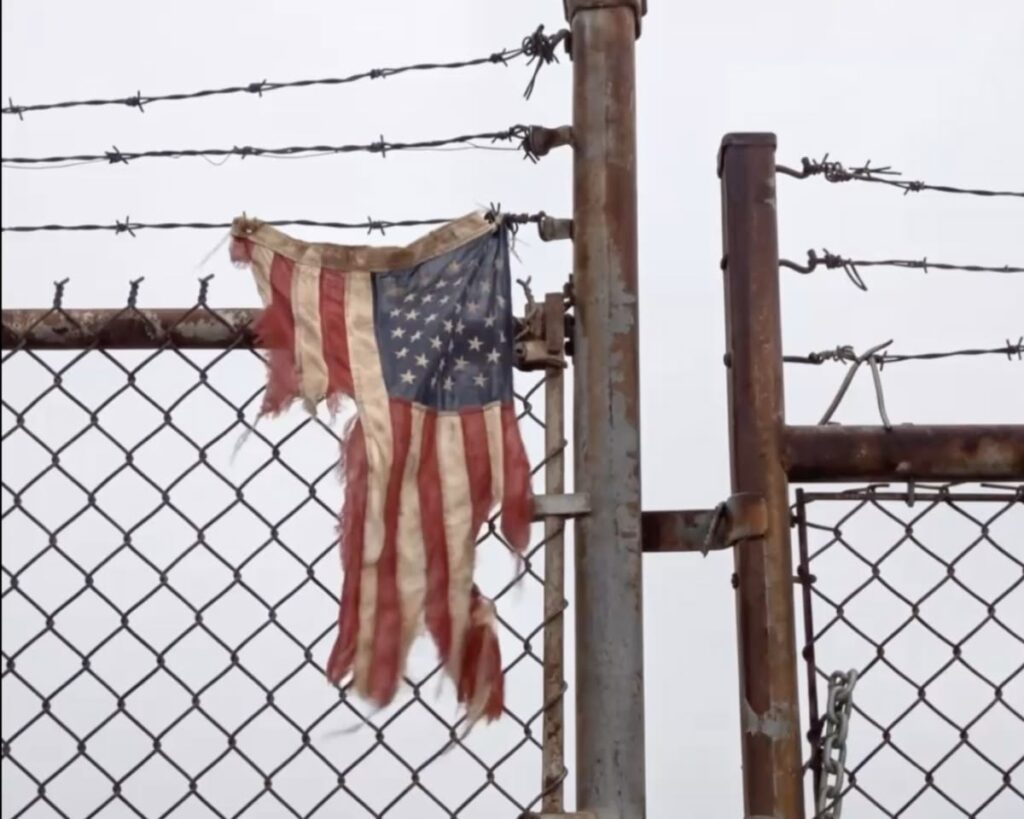
America, 2025


By Lulu McDonald

a follow-up to Allen Ginsberg’s ‘America’ 

America is this an identity crisis? 

Are you self-destructing? 

You need rehabilitation 

We want heroin and Jesus 

America when will you pull yourself together? 

I am far away from you 

and I miss your fast food comforts 

your cul-de-sacs and stupid traditions 

America why don’t you want to get better? 

What else can we give you? 

Our tired, poor 

America do you even want to be free anymore? 

When I touch down at JFK you will 

greet me with noise and dirty sidewalks 

and I will love it 

America I will breathe you in 

weed smoke and car exhaust 

How do you create beautiful ugly things? 

How do I listen to our national treasure Paul 

Simon while a pigeon takes a shit on a taxi 

How do I stare at the city skyline during sunset while 

men in the White House sign off on your demise 

America I love you 

I love your winding roads and picket fences and fried

food I love your exhaustion and self-hatred and paranoia

 I love you even though you make it 

so unbearably difficult 

I am you, no matter how much you try to deny it 

America please I am not talking only to myself America 

I am still putting my queer shoulder to the wheel.

Categories
Culture

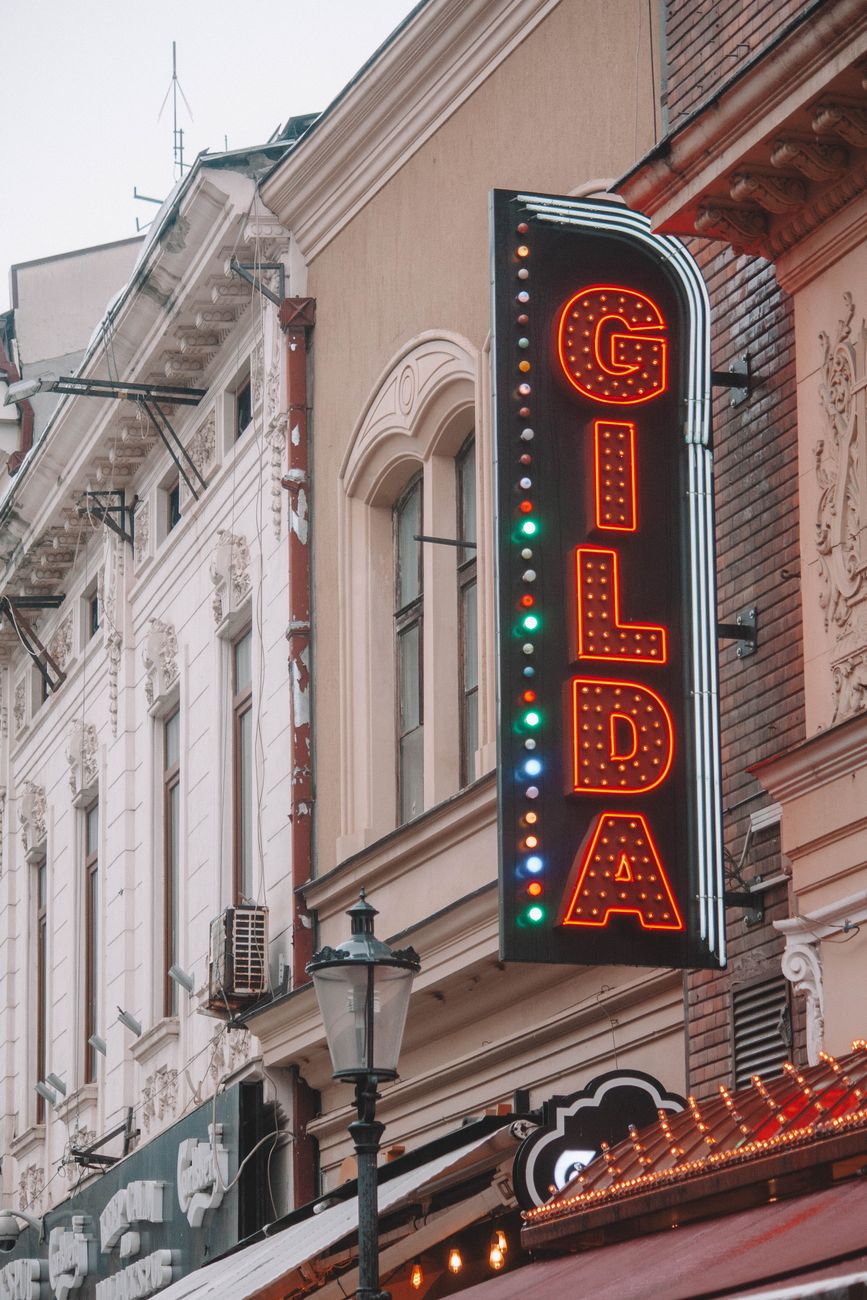
It’s Always Something: Celebrating Gilda Radner

By Lucy Atkinson

If someone were to ask me outright, I would probably describe my year abroad as a rather Eat, Pray, Love-esque affair: cultural enrichment, spontaneous travelling, questionable navigation skills and socialising with people from more countries than I could reasonably keep track of. All very picturesque. But what surprised me most were the quieter moments. The days spent in my own company, usually with a very British cup of tea and a YouTube rabbit hole that had started somewhere entirely unrelated. Somewhere along the way, I found myself poring over old Saturday Night Live sketches and discovering the comedic genius that was Gilda Radner. 

More than three decades after her death, Radner’s warmth, wit and sheer eccentricity remain as infectious as ever. One of the original Saturday Night Live cast members, she helped establish the programme as a fixture of American comedy, creating characters that were as ridiculous as they were recognisably human. There was Roseanne Roseannadanna (“It’s always something!”) whose increasingly unhinged news reports descended into glorious chaos, and Emily Litella, whose spectacular misunderstandings became comedy gold. Watching these sketches now, it is difficult not to be struck by just how much personality Radner brought to the screen. She was silly, unpredictable and entirely unafraid of making a fool of herself. Quite the achievement in an industry that has historically been rather less forgiving when women do precisely that. 

Born in Detroit in 1946, Radner rose to prominence in the mid-1970s as one of the original ‘Not Ready for Prime Time Players’, the ensemble that launched SNL in 1975. She was not simply a funny woman in a predominantly male comedy landscape; she was instrumental in changing what that landscape could look like. Her characters were often exaggerated caricatures, but there was always something recognisably human beneath the wigs, voices and absurdities. As she once explained, she frequently based her characters on the things she disliked about herself. There is something rather endearing about that willingness to turn one’s own insecurities into material. Rather than conceal imperfection, Radner made a performance out of it. 

Perhaps this is what makes her work feel so contemporary. Comedy has always offered a way of making sense of the things we might otherwise struggle to articulate. Radner understood that humour did not have to be detached from vulnerability; in fact, the two could make rather good company. 

In 1986, Radner was diagnosed with ovarian cancer. She approached her illness with the same characteristic humour that had defined her career, documenting her experiences in her 1989 autobiography, It’s Always Something, published shortly before her death. The title itself encapsulates something of her outlook: an acknowledgement that life rarely unfolds as neatly as we might like, and that there is no point in waiting for everything to fall into place before deciding to enjoy it. 

It is a particularly pertinent sentiment in an age of carefully curated Instagram feeds, relentless productivity and the expectation that everyone should be having the time of their

lives, all the time. We are encouraged to document our experiences, optimise our routines and make every moment count. Even a year abroad, apparently, is supposed to resemble a particularly well-funded coming-of-age film. Yet some of the most memorable moments are not necessarily the ones that make it onto the camera roll. Sometimes they involve doing very little at all, or stumbling across a comedian who died sixteen years before you were born. 

Radner’s legacy also extends beyond the sketches themselves. Her husband, actor Gene Wilder, helped establish Gilda’s Club following her death, creating a network of community support for people affected by cancer. It was an extension of something Radner had believed in throughout her life: that humour, friendship and human connection could make even the most difficult experiences a little less isolating. The organisation continues to carry her name and her spirit, demonstrating that her influence was never confined to the stage. 

It would be impossible to discuss Radner without considering the women who followed in her footsteps. Tina Fey, Amy Poehler and Kristen Wiig are among the performers whose work has helped shape contemporary American comedy, and Radner’s influence is evident in the possibilities available to women working in sketch today. Her characters demonstrated that women could be grotesque, ridiculous, loud, politically incorrect and unapologetically strange. They did not have to be the straight woman, the romantic interest or the sensible voice of reason. They could be the joke and the punchline as well as, crucially, the person telling it. 

There is an interesting parallel to be drawn with British comedy, too. From Victoria Wood and French and Saunders to Catherine Tate and Diane Morgan, British women have long carved out space for characters that are gloriously peculiar, socially observant and occasionally downright absurd. Our comedy traditions might differ from their American counterparts, but there is a shared appreciation for the character performer who can expose something uncomfortable about society by making us laugh at it. 

Perhaps that is what I find most appealing about Radner. Beneath the elaborate characters and wonderfully chaotic performances was someone who seemed to understand that life was not something to be perfected, but experienced. Her final reflections on uncertainty and imperfection, shared in an interview shortly before her death, are particularly moving. She had come to recognise that life rarely offers the neat narrative arcs we expect from it. Sometimes there is no satisfying conclusion, no carefully constructed beginning, middle and end. There is simply the business of getting on with things, adapting and making the most of what is in front of you. 

Radner may have left the stage far too soon, but her work remains a reminder that there is something wonderfully liberating about refusing to take yourself too seriously. In a world increasingly concerned with getting everything right, perhaps we could all do with a little more of her willingness to get things spectacularly wrong. After all, it’s always something.
Categories
Poetry

To Prescription Postcards

By Natasha Ranawake

Picked up your postcard today,
wrapped in indifference
and awkward wording;
chugged the coffee beforehand,
just in case, you didn’t somehow
stir things up.

You say something about love,
as if you were snipping at the shrub,
and scrunching the years again.
Tame yourself for it.
Tame yourself for his needle’s prick
of words drawing the blood out. 

Tame yourself for agreement and you
prescribed that postcard;
patience, do everything and anything
to not let it fall apart.
Marriage before the first meet-up,
that’s your practicality speaking.

To that postcard, I say,

The laugh is coming back now,
I am sure you would’ve heard the headline –

The football belting and the
rollercoaster chokehold,
                                of letting yourself into love,
and taking a breather
                              and crashing out.
Running with the fistful.
curled up track list,
80s rock and the lovesick gut punch
of losing touch. 

Look, the bangles that cradle my arms,
in rugby and the every day,
that clip me to a soundtrack;
a laced jingle, a sway of a choir
when I throw my palms up,
in the air.

Not a prayer,
I couldn’t, not now.

And the scarf, that you gave me, 
it’s blue and ten years just about
and they just wrapped up the
midterm yesterday.
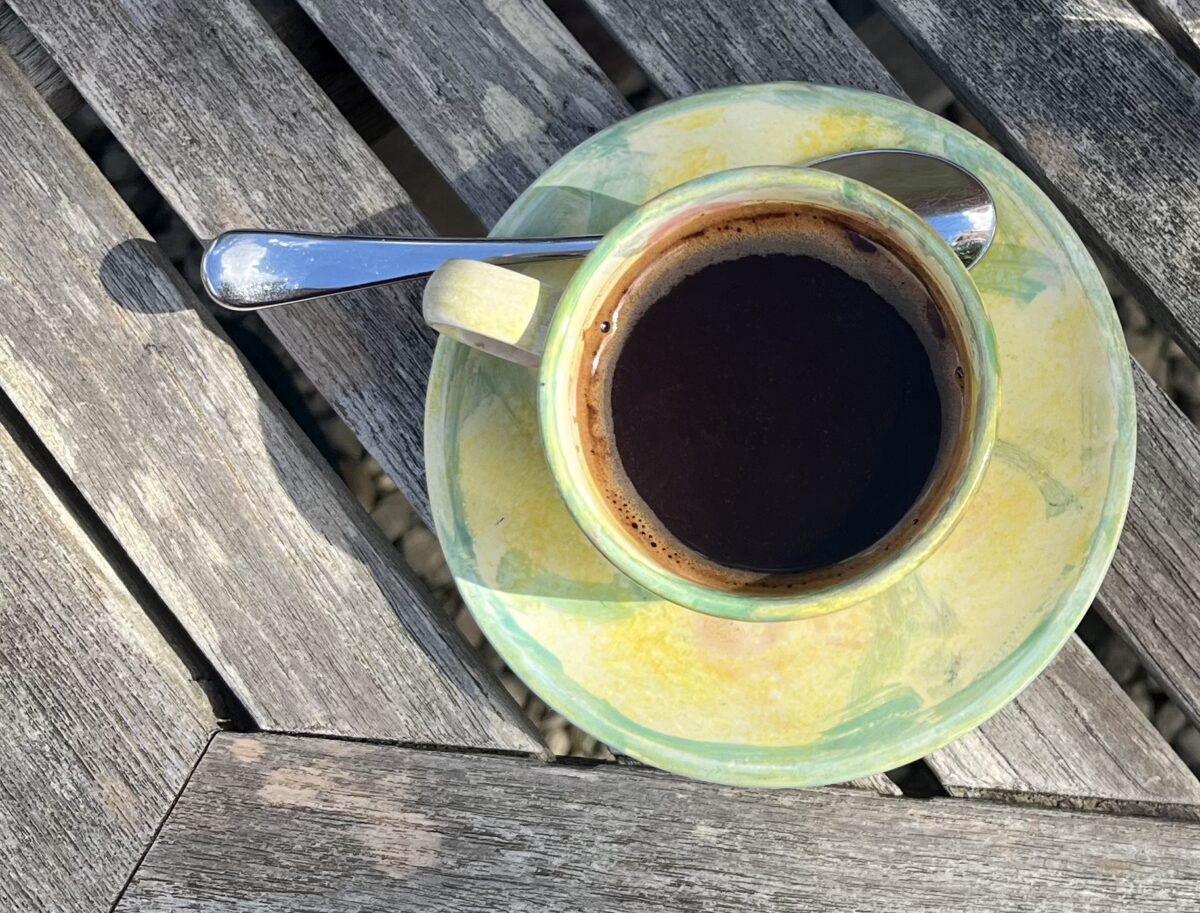
Everyone’s in a coffee cup,
buried into cinnamon and
the hangover or the sore throat;
it’s probably just the pub quiz talking.


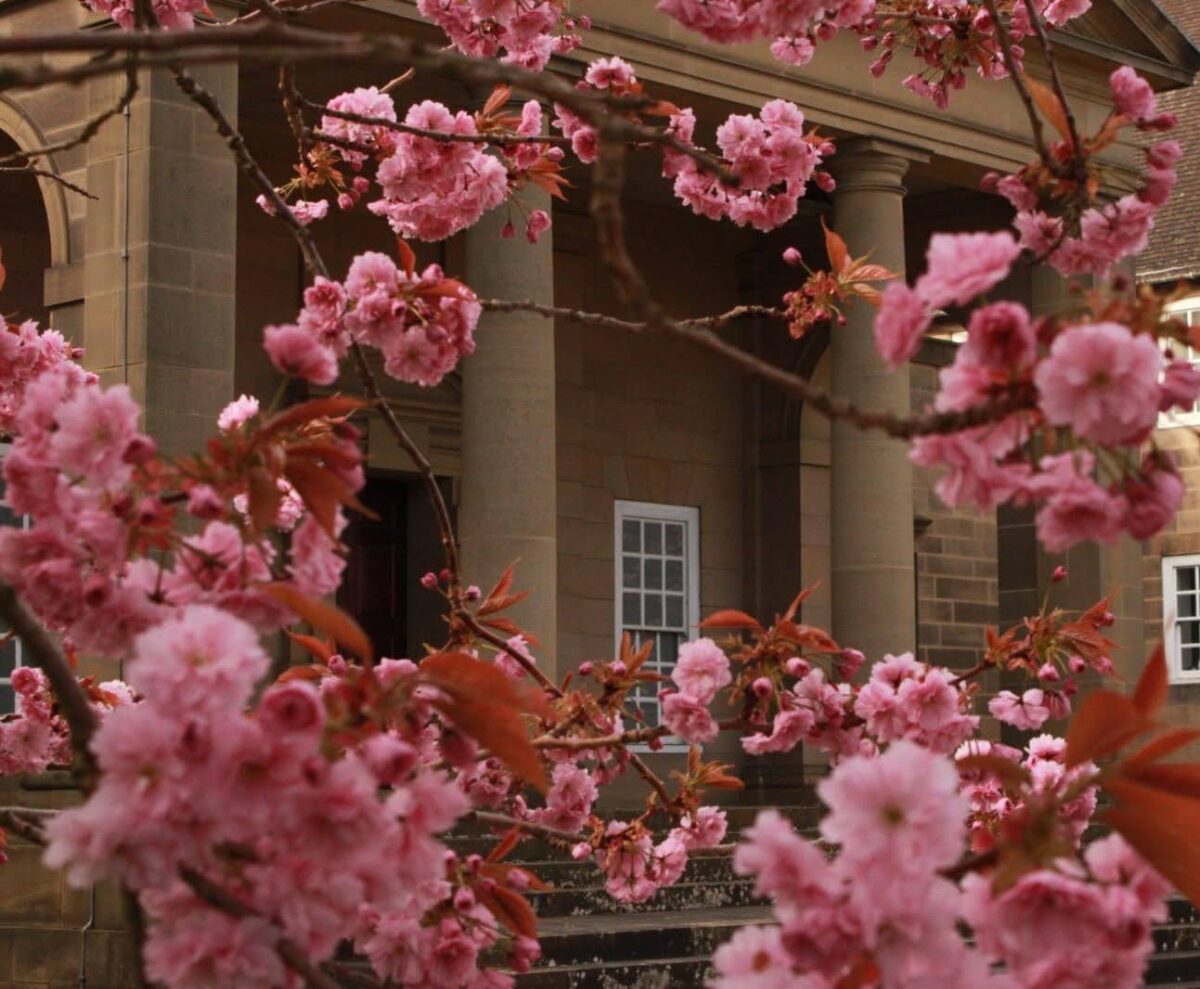
Featured Image: Cara Crofts

Categories
Culture

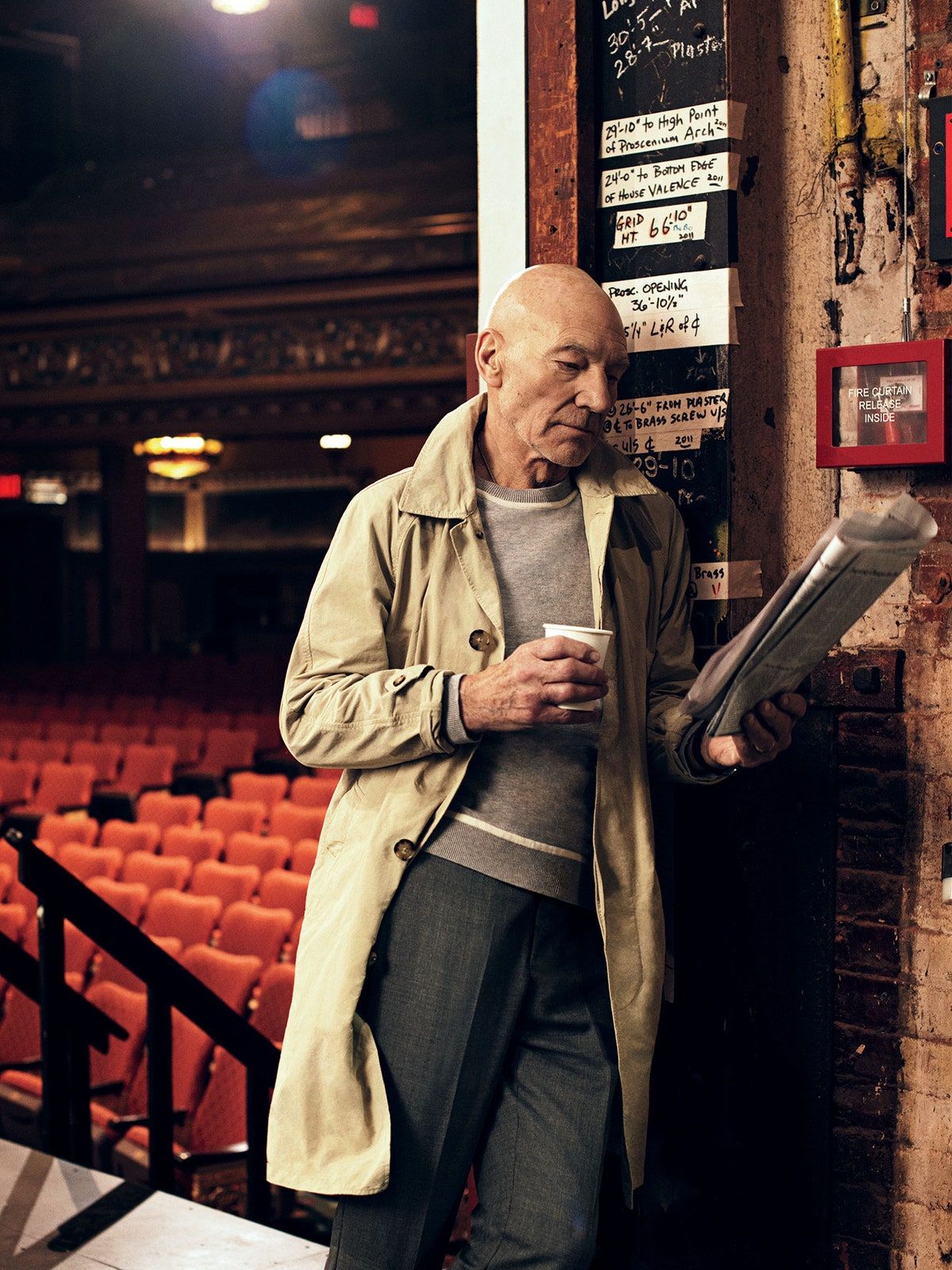
Sir Patrick Stewart: Colossus of Stage and Screen

By Daisy Lonergan

Sir Patrick Stewart was born on July 13th, 1940 in West Yorkshire, into a home and household that were less than easy. His family struggled financially, with Stewart growing up in a house that lacked an indoor bathroom, and with a father who repeatedly physically abused his mother. This early trauma no doubt left a mark, but Stewart found an outlet for his pain early on, when one day his English teacher gave him a copy of Shakespeare, encouraging him to perform, an act that would change the course of Stewart’s life. Later in his teenage years, he received a scholarship to study at the Bristol Old Vic Theatre School, and never looked back. He once recounted in an interview that the stage was the one place where he felt truly safe. 

Stewart later went on to become a titan of British theatre, joining the Royal Shakespeare Company in 1966, and appearing in over forty of its productions throughout his life. Perhaps though, his most popular achievements in the world of acting happened across the pond. Stewart’s career truly soared to new heights when he joined the world of Hollywood, playing two beloved and iconic characters that would go on to become staples of sci-fi storytelling. The first was his role as Captain Jean-Luc Picard in Star Trek: The Next Generation, a role he reprised in four feature films. The second was his role as leader of the X-Men, Charles Xavier, in which he was able to reunite with longtime friend and partner-in-crime, Ian McKellen. Both of these roles were characterised by tolerance, morality and intellectual curiosity, with Stewart bringing a diplomatic style that helped firmly establish science fiction as a genre capable of exploring both philosophical and political questions, even in the world of popular entertainment. Stewart’s unique combination of classical training and Shakespearean gravitas with commercial Hollywood success enabled him to bring the two worlds together, challenging the perceived hierarchy between stage and screen and showing that the two do not have to be mutually exclusive. Rather, they can inform one another, depend on one another, and help each other thrive.

Furthermore, the popularity of the Star Trek and X-Men franchises, combined with the wisdom of the characters he played, helped establish Stewart as a household name connected with decency and intelligence, positioning him as a role model for many. Indeed, Stewart himself was certainly deserving of the title, having waged a long campaign against domestic abuse. He spoke publicly about the terrors of his childhood and used his platform to advocate for others to speak out too. He also became a prominent supporter of Refuge, a UK charity supporting the victims of domestic abuse. His hard work on and off screen did not go unrecognised, as Stewart has won many awards, including two Laurence Olivier Awards, a star on the Hollywood Walk of Fame, an OBE and a knighthood. However, the achievement he was said to have been most proud of was his role as Chancellor of the University of Huddersfield, a position that allowed him to return to his Yorkshire roots.

Tragically, Stewart passed away at the age of eighty-six following a brief illness with Alzheimer’s disease and Lewy body dementia. According to loved ones, his last days were filled with tears, laughter and music. Stewart is survived by his wife, two children, and a rich and vital legacy, leaving behind a unique and indelible mark on the face of both theatre and film. And so, I can think of no better way to leave you than with the words of Sir Patrick Stewart himself (as he told the Oxford Union): 

‘The obvious conclusion is that art must somehow be essential to life. Art is a part of survival, art is a part of the human spirit, an unquenchable expression of who we are. Art is one of the ways in which we say: I am alive, and my life has meaning.’ 

Sir Patrick Stewart (1940-2026)

Featured image; GQ Magazine

Categories
Culture

Beyond the Bell Jar: Sylvia Plath’s ‘The Colossus’

By Evie Simons

An indisputable icon of feminist literature worshipped by A-Level English Lit students, Plath’s most well-known works— her posthumous poetry collection Ariel and her sole novel The Bell Jar (with its upcoming film adaptation, controversially starring Billie Eilish as protagonist Esther, having been recently announced)— often leave her other writing somewhat overlooked.

I, like many others in my class, chose Plath as one of the authors to write my NEA on in year 13. In a bid to stand out to examiners, I went down a slightly different path and chose to look at her collection The Colossus, the only volume of Plath’s poetry published before her death. In doing so, I had my introduction to this greatly underrated collection, which, named metaphorically after her late father, delves into complex themes of death, grief, and how this connects mankind with the natural world. 

Plath’s focus on nature throughout The Colossus is what stood out to me the most in comparison with her other works. Having been written in the 50s and published in 1960, her eco-critical perspective seems rather prophetic and more relevant nowadays than ever. 

We can see this throughout the collection as Plath brings nature, or the resounding absence of it, to the forefront of her poems. She creates an anti-pastoral tone that we rarely see in literature, which seems to serve as a warning for readers as she demonstrates the repercussions that humanity, severing our intrinsic connection with nature, will have for society. We perhaps see this most clearly in her poem ‘Suicide Off Egg Rock’, in which an unnamed man sees his only option as suicide in a desperate plea to escape the torments of urban life. The poem begins with a strikingly unglamorous description of ‘hotdogs [which] split and drizzl[ed]/ On the public grills’, and ‘Gas tanks, factory stacks’, which likely explains the man’s suicidal state when we learn that he has become irrevocably connected with this environment (his‘bowels’ are described as part of the ‘landscape/ Of imperfections’). The poem tragically ends with the figure drowning himself in a final effort to find peace in nature, however even this is futile as he becomes part of ‘the sea’s garbage,/ A machine to breathe and beat forever.’

Plath highlights the interconnectedness of man and the environment and the importance of not destroying this bond— a theme that seems extremely pertinent in the current climate crisis and age of AI. 

This nihilistic yet necessary criticism of mankind’s growing identification with industrialisation and the urban world is also shown in the poem ‘Night Shift.’ This dystopian poem centres on factory workers and how their lives have become completely devoid of emotion and pleasantries as they have become enslaved as almost literal ‘cogs in a machine.’ Plath seems to continue her warning to us readers, demonstrating how destroying the natural world can have a detrimental effect on the human psyche. 

Although there are undoubtedly poems in The Colossus, such as ‘Manor Garden’ and ‘Watercolour of Grantchester Meadows’, in which nature and its beauty are depicted in a positive light, it is likely that Plath includes them to make its loss and consequences even more poignant. She urges readers to analyse their relationship with the environment and shows the significance of it by constantly using metaphors of nature to explore human experiences. We see this in the titular poem ‘The Colossus’, as Plath likens her late father to the fallen Colossus of Rhodes: ‘I crawl like an ant in mourning/ Over the weedy acres of your brow’, ‘The sun rises under the pillar of your tongue.’ She uses natural imagery in order to navigate her grief and to immortalise her memory of her father, therefore once again highlighting how crucial nature’s presence is in our lives.

It seems a shame that such an important message, written around 70 years ago, remains extremely relevant and largely unaddressed. However, it exemplifies Plath’s foresight and her conscientiousness when writing The Colossus, which should be given much more credit and esteem than it has garnered. 

Featured image: Pinterest