
Categories
Perspective

The Beatles After Touring: How Quitting the Stage Let Them Redefine Music

By Nathan Gellman

29th of August 1966, The Beatles played a sold-out concert at Candlestick Park in San Francisco. Their United States tour followed the release of their 7th studio album, Revolver and came at the height of their popularity, a period aptly named Beatlemania. This made the band’s decision to stop performing live shows bewildering to fans, but perhaps it was the best decision they ever made. 

1966 was a tumultuous time for the band. Their world tour, which saw them play in West Germany, Japan, the Philippines, Canada and the United States was rife with controversy following John Lennon’s claim that the band was more popular than Jesus. They endured threats and physical danger, throughout their tour, with former fans burning vinyls and t-shirts in the streets. This was the final straw for the band with the physical and emotional exhaustion of over 1400 concert appearances internationally taking its toll.  

This coincided with the self-revelation that the band’s strengths weren’t best utilised as performers, as Paul McCartney famously remarked after their final show: “We’re not very good performers, actually. We’re better in a recording studio where we can control things and work on it until it’s right. With performing, there’s so much that can go wrong, and you can’t go back over it and do it right”. 

Following their decision to stop live performances, they entered the studio in late 1966 to record their 8th studio album. For the first time, the band were not restricted by the parameters of performing these songs live – this album would be perfected and immortalised on vinyl. This allowed them to use the studio in ways that were uncommon during the 60s, implementing tape loops, orchestras and the surreal sound of backwards guitars. 

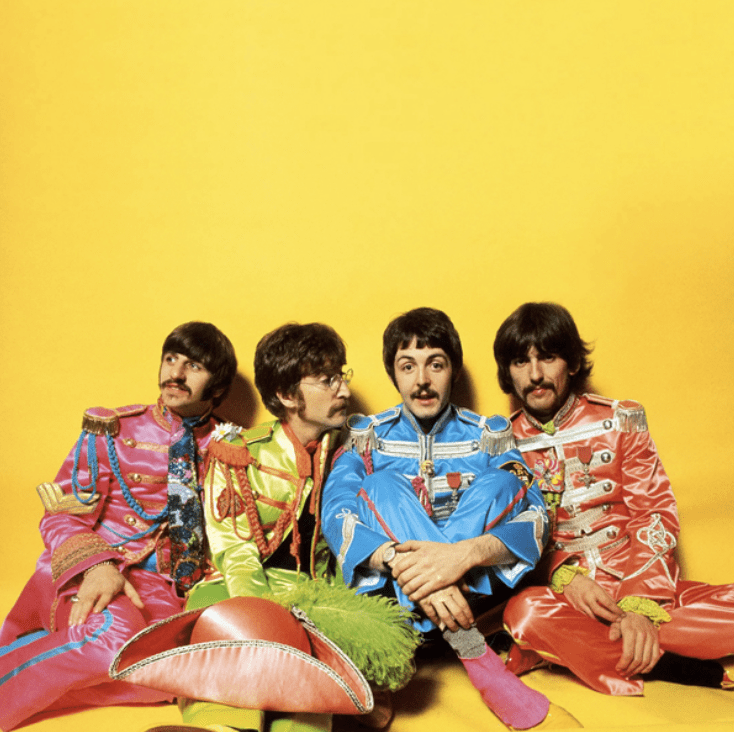
What resulted was The Beatles’ magnum opus, Sgt. Pepper’s Lonely Hearts Club Band. This album was hailed as revolutionary at the time, announcing the 1967 Summer of Love. The album’s stellar reputation stuck with it into the 21st century, with the Rolling Stone ranking it as the best album ever recorded in its 2003 top 500 albums of all time, despite it dropping to 24 in the 2020 edition. 

Beyond Sgt, Pepper’s, the band continued their innovation with the Magical Mystery Tour, The White Album and Abbey Road. In these further three albums they were able to experiment with more untraditional studio techniques. Ironically their final studio album Let It Be signposted the band’s desire to return to live performances which never quite happened as planned. What is clear is that none of these albums would have been possible under the constraints of a touring schedule and having to perform these songs live. 

The Beatles helped redefine what a band could be, not entertainers but artists. Their inventive and imaginative methods in the studio paved the way for other albums such as Pink Floyd’s The Wall and Radiohead’s OK Computer. They set a precedent that albums are a cohesive statement not a collection of singles and stop gaps. Every song had a meaning, not a word was wasted, the singles were the headliners, but the album tracks were more than just fillers. They didn’t merely hold the album together, they elevated it to a whole new level. 

The decision to quit touring was unbelievable, but it was the turning point that allowed The Beatles to reach new artistic heights. When looking back at The Beatles’ legacy, it is impossible to try and define it. However, if I had to try and pin it down, it wouldn’t be their early work and the crazed Beatlemania, but what came after it. What the Beatles made clear in a way that only they could: the best way forward is to stop. 

Image credit: vinterior.co
Categories
Culture

Raw Over Refined: Why Demos Hit Harder than Studio Albums

By Nathan Gellman

Art is often described as a window into the mind and soul of the artist. Whether on paper, sheet music, or canvas, the true emotion and meaning behind pieces of art are on full display. Music is no different; at its best it captures not just a perfect performance but a moment of emotional truth.

However, in a time when overproduction is sucking the life out of modern music, we the listeners are flocking to live shows to feel a connection with the artist that used to project through sitting rooms on vinyl, cassette and CDs. 

I’m not suggesting that I have found a substitute for seeing your favorite artist live but through my discovery of my favorite artist’s early takes and demos, I have a newfound appreciation for his work and process. Demos provide an unexpected intimacy and emotional experience of hearing a stripped-down, natural take of your favorite songs. Therefore, I challenge you, the reader and listener, to embrace demos and take in the rawness, vulnerability, and authenticity within them.

Demos are a rough, often first take of a song used to capture an initial musical idea, contrasted to a studio single it is dirty, unproduced, and not aiming for commercial perfection, merely expressing the artists’ viscerality. Demos preserve the artists’ creative spark before it is extinguished during production. 

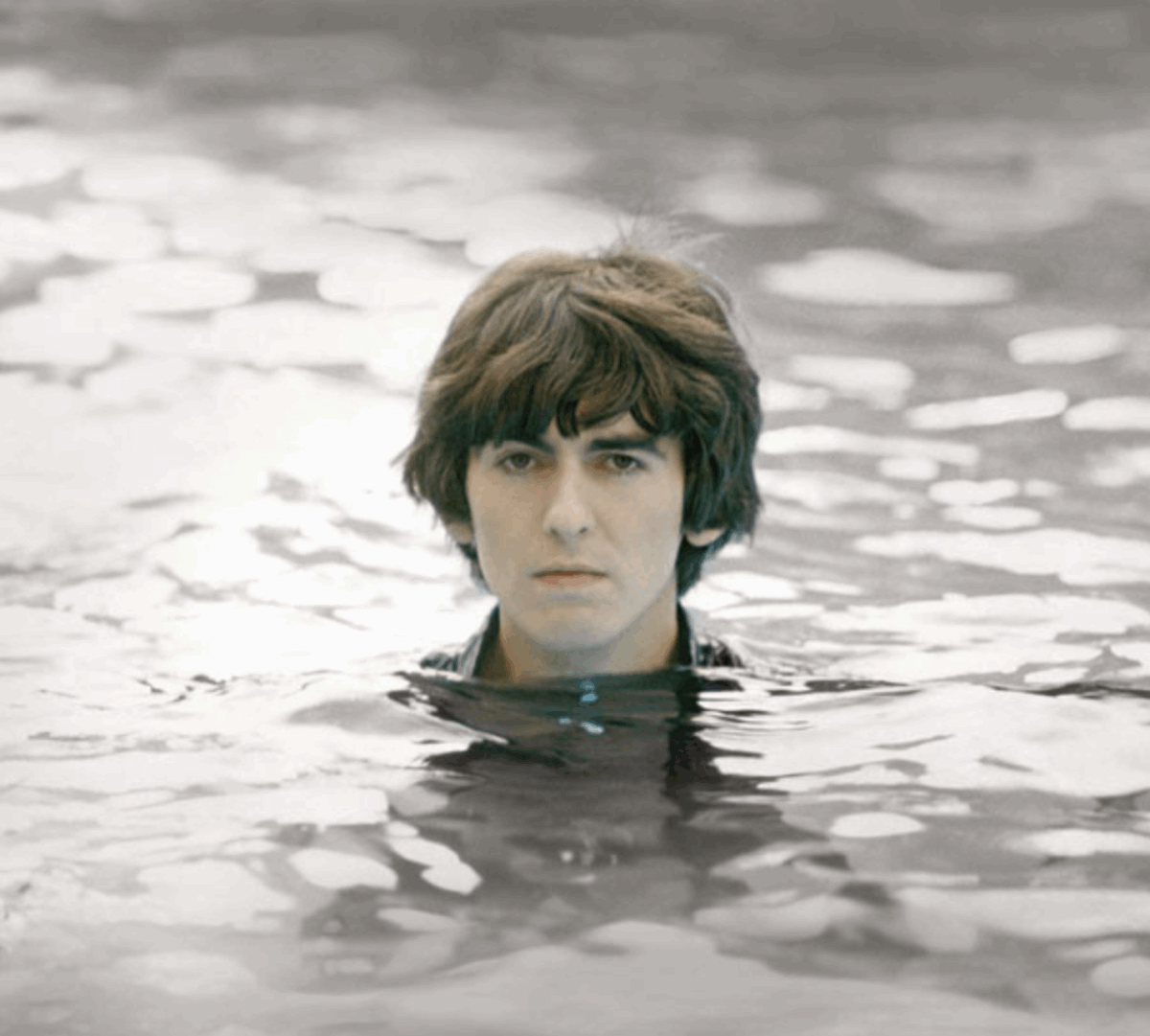
My personal affection towards demos came upon my discovery of George Harrison’s ‘Early Takes Volume 1’ which was released in 2012. It compiles demos, the majority of which were recorded during the ‘All Things Must Pass’ sessions. I fell in love with the album as a result of Harrison’s unfiltered voice, emotional closeness and the offhand remarks that bookend some tracks which made me feel like a fly on the wall during the recording sessions, privy to the secret moments most listeners never hear.

A couple of tracks stand out as prime examples of the unique strengths’ demos have to offer. Awaiting on You All is one of my favorite Harrison songs, with it being one of his most religious and spiritual. The master recording of the song is busy and vibrant with an all-star personnel of Harrison, Eric Clapton and Klaus Voormann to name a few. However, the heavy use of reverb really melts the sound into a buzz with it difficult to hear the individual instruments throughout the song. The early take strips this all back and sounds almost unrecognizable compared to the master. You are no longer listening to a catchy pop-rock song but a man expressing his devotion to God with the help of his guitar.

Among Harrison’s most spiritual songs is My Sweet Lord, his debut single and biggest chart hit. A song in my eyes which is perfect, an exposed cry to God, presenting himself as one of the most famous and accomplished people in the world – simply, a vulnerable devotee. While there is nothing to improve on, in my opinion the demo really highlights the devotion Harrison had through the tenderness of his voice accompanied by his acoustic guitar. 

But why do these distinctions matter, why should you care about these mostly subtle differences? 

I believe demos and early takes allow for more emotional honesty, making the artist, someone who themself is followed and loved more human, through presenting their truth to the listener with no interference from middlemen. Demos feel like a discovery, something you find in your attic that you weren’t supposed to hear. It is an artist’s raw talent that separates them from you and I, and demos through showcasing their natural talent demonstrate this fact.

Demos such as Harrison’s ‘Early Takes Volume 1’ remove the layers of master recordings and remind us that sometimes the first take says it best. In an age of overproduced music, demos stand as a stark reminder that sometimes less is more.