
By Bel Radford
My new bedroom overlooks Durham bus garage and the lucky passengers on the top deck I’ve managed to flash a handful of times. I’ve taken to sitting on my window ledge each morning equipped with cigarettes and coffee, soundtracked by Spotify’s finest Gregorian chant mix, and conducting some furious online shopping. The rituals are already piling up: a cyanotype bra, a top my housemates mistook for an upcycled binbag and anti-bloating pills that I suspect (and maybe hope) are some kind of black market Ozempic.
This has become the best part of my day. It’s a very soothing practice, bringing various receptacles up to my mouth, sipping or inhaling their contents that soothe and corrode in equal measure. Freud would have called it symptomatic: a psychosexually stunted adult pacifying herself like an infant. And the chanting complicates things too. I don’t especially enjoy it, but perhaps that’s the point. Exposure therapy via my shitty wired headphones – sip, puff, submit to whatever sonic affront the algorithm conjures.
The more I think about my morning rituals, they resemble a kind of budget hedonism – a far cry from the Gatsbyesque sort that populates novels, but a cheaper pursuit of sensation that still feels vaguely philosophical. Epicurus is more flattering than Bacchus anyway. He distinguished between kinetic pleasures – minor ecstasies of caffeine, nicotine, tracking parcels across the country – and static pleasures – the quiet equilibrium that follows. This pursuit of modest satisfactions works to stave off acute pains, or the pain of seeing everyone you’ve ever gone home with in Tesco, or the indignity of subpar university grades. Epicurus deems such static pleasures the ‘highest good attainable’, thus dosing oneself in indulgence perhaps aids the aimless plane of existence that one finds themself navigating as a student.
I try to believe I’m a good little Epicurean, yet instinct tells me I’m a twitching meatbag human stupefied by sensation; gawking, shopping, sipping and grasping at that which makes me feel alive. And here is where the self-awareness hits – am I just trying to excuse my own laziness because the world frightens me? When my mum asks why I’ve only bought antipasti in my weekly shop, will Philosophy shield me? Doubt it. Epicurus reads less like a moral compass and more like a cover letter for being a glutton, exhibitionist and a sloth. Student life seems to be the ideal laboratory for such negotiations between obligation and desire. Pleasure-seeking as a means of self-preservation is interesting to me, and shooting up dopamine to punctuate the banal rhythm of campus life is like shock therapy: drinking too much, spending too much, sleeping too much. Health is boring, people are boring, virtue is boring – there’s simply too much else to be thought about.
Deleuze might argue this laziness is honest; an openness to ‘affective intensities’- pleasure as a defibrillator rupturing inertia’s hold. I think of myself perched on the window ledge, limbs jittering, and I wonder if pleasure is as much about agitation as it is about tranquility. Perhaps to hyper-charge oneself is to insist on presence and refuse flatness while our limbic systems are still half-baked and irresponsibility is still charming. This might explain my fondness for my errors. The hob left on overnight after heating chicken soup; repeatedly getting the wrong train home from work and ending up stranded at the seaside; discovering two nights before a holiday that my passport is marooned in Durham. Horrible, dangerous and inconvenient, yes, but there’s a certain pleasure to be taken in the intensity of mistakes. The sheer unpredictability of my own half-formed adulthood feels like proof that I’m still in motion and irresponsibility has not yet calcified into flaw.
I’m not sure these scattered thoughts (or excuses) arrive at any conclusion. The practice of mashing flesh onto theory and hoping it sticks seems vapid and closer to decoration than revelation. We contort ourselves into narratives, retrofitting philosophy to excuse appetites, and tell ourselves Epicurus or Deleuze would understand our overdrafts and intensities when they perhaps wouldn’t. But if Epicurus really did think modest (often superficial) pleasures could stave off pain, and Deleuze really did believe in the pursuit of fully charged embodiment to be at one, then I’d like to think these small indulgences aren’t failures as much as methods – undignified but workable. Chainsmoking and listening to Gregorian chanting is hardly a grand pursuit of ataraxia, and missing every important train doesn’t really gesture towards ‘becoming’, but the theory bends and clumsily adapts alongside us. My parcels, my Year-Of-Rest-And-Relaxation-adjacent amount of sleep, multiplied by the pills I take and caffeine in my blood don’t make me enlightened, but they keep me moving. If that makes me a glutton and a sloth, so be it. Philosophy can posture all it wants – the bus passengers don’t seem to mind.
Featured Image: Kirsten Dunst on the set of Marie Antoinette (2006) / Unknown paparazzi
One reply on “A Glutton and a Sloth”
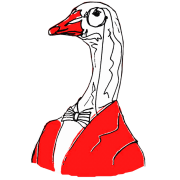
Thank you for your beautiful transformation of sloth & gluttony into a colourful and inspired illustration; I am grateful for your representation.