Categories
Reviews

Sexualised female hysteria in Andrew Dominik’s ‘Blonde’… is making me hysterical’

By Ailís Osobase.

I’m sure many of you will have seen the recent film Blonde, directed by Andrew Dominik, which centres itself around the life of Marilyn Monroe. Or, if you haven’t seen it, you may simply have heard about the overwhelmingly negative reception it has been met with. Having watched it in full myself, I admit I was disturbed after only one hour and had already decided it would be the topic of this article. Like many others, the film relies on the all-too familiar trope of the ‘hysterical woman’, denying women any claim to success without also being damaged or traumatised in some way first. The fetishization of female distress and illness (albeit mental or otherwise) seems a little outdated for a 21st century audience, and I find myself wondering how films such as these manage to pass through so many hands before the decision is made that they are fit for public viewing.

Audiences found the film to be ‘depressing’ with no tonal shifts, as Dominik holds his audience in a glorified re-enactment of the traumas in Marilyn’s life. What I found to be most disturbing was the ever-present male gaze that the director feels no obligation to undermine. It would be one thing if the sexualisation of Marilyn’s character in the film was beset against a tone of disapproval, or if it ultimately concluded that she is more than just the sex symbol of her generation. However, I felt the film only renewed with a new vigour the sexualisation of the female icon, effectively setting us back 60 years. 

The film sparked a social media frenzy, my TikTok ‘For You Page’ filled with various watchers who felt ‘disgusted’ by yet another film sensualising female neurosis. All the worse, is the fact that the film actually fabricates much of the star’s life, some of the most harrowing scenes being entirely fictional. Dominik has argued his work does not ever claim to be a biopic and is in fact based on the fictional novel by Joyce Carol Oates of the same name. Even knowing this, it doesn’t sit right with me that a director would go out of their way to engage with an audience that is perhaps unfamiliar with Marilyn and feed them details that are both disturbing and incorrect. One user refers to Blonde as being a ‘treadmill of trauma’, and I’d largely agree with this. The film strategically skips over Monroe’s entire career progression and any positive moments of her life, rather placing a decided emphasis on those darker ones. 

Emily Ratajkowski in a video posted to her social media encourages women to get ‘angry’ with films like these, arguing that anger is an emotion that can’t be sexualised. Whether or not you agree with this statement, the idea of getting angry is rather convincing, because this is exactly how a lot of women have felt when watching this. However, whether this anger alone will ever stop the media from pushing out films of the same misogynistic nature as Blonde, we can’t be sure. We’ve all heard the phrase ‘even bad press is good press. Perhaps the onslaught of disturbed watchers on TikTok is precisely what made you go and watch Blonde, or maybe even this article will. We are in an age of over-consumption, where we all want to engage with what is ‘trending’. Even when we are discrediting something, others feel the need to view it for themselves to be able to discredit it also, or at the very least to make sense of the negative press. 

Dominik in an interview asserted ‘I’m not interested in reality, I’m interested in the images’, and this is made very clear. While the film can be applauded for its cinematography and accuracy in physically transforming Ana de Armas into Marilyn, no such attention is paid to translating the true character of the actress or her life leading up to her death. Women occupying a character significant only as an image of beauty or tragedy is a tale as old as time, and Blonde is a frightening reminder of this. It would be encouraging if we could see the accuracy of female achievement properly translated, rather than all focus being placed on the aesthetic appeal that her role might provide. Marilyn, here, is only one example of the defamation of female legacies on the screen. 

It begs the question, why must female stars be stripped of their career milestones as Marilyn has been in ‘Blonde’? To draw comparison, Elvis Presley in his death was rewarded by Baz Luhrmann’s recent portrayal of him as a rising rockstar despite all obstacles. Elvis himself was not without controversy, and yet his legacy in the film is carefully preserved. It becomes difficult to decipher whether this is simply the difference between good and bad direction, or whether filmmaking as a whole struggles to positively address female histories. Theodore Melfi’s Hidden Figures details the story of a team of female African-American mathematicians whose work was vital to NASA during the early years of the U.S. space program. From watching this film, I know that male direction is in fact capable of depicting successful women who faced hardship, but I wonder whether Melfi is anomalous here. 

It’s therein an uncomfortable reality that male directors like Dominik may continue to profit off the sexualised ‘distressed woman’ until hopefully the next media trend overwhelms this trope and something new takes its place.  In the meantime, though, we can vocalise our anger. What’s more, we can actively endorse productions with female-leads who are talented within their own right, not merely talented in spite of their trauma. 

Categories
Reviews

The Ugly Fruit Group: An Open Letter

The Ugly Fruit Group: An Open Letter

An open letter to the students of Durham University,

If you were asked to list the biggest challenges faced both globally or, perhaps more relatable to you, in the North East, what would you say?

I imagine you’d reel off a list of justified causes, all worthy of our concern and attention, and hopefully somewhere on that list would lie food waste and the reality of those without access to nutritious, affordable food (food insecurity). Why these challenges in particular you might wonder? Whilst around three million people in the UK are thought to be malnourished* eighteen million tonnes of food goes to Landfill each year.

10% of children in the UK live in food insecurity, yet nearly half of fruit and veg is thrown away on aesthetics alone. The North East has the second highest poverty rate in the country, yet household waste in the area remains over 1 million metric tonnes. So I suppose this begs the question:

How can it be that there is so much food waste in times of such dire food insecurity?

Perfectly good food is being thoughtlessly discarded, whilst poverty levels in the UK are rising. The fact that both of these problems are endemic is infuriating. So, when I saw a post on Overheard at Durham from a little team called The Ugly Fruit Group, stating that they were looking for volunteers to help tackle these intertwined and ever-worsening problems in the local area, I knew I wanted to be involved.

At the Ugly Fruit Group, we do our best to help tackle both food insecurity and food waste in Durham and the surrounding areas. We receive donations of ‘ugly’ fresh fruit and vegetables that otherwise would not be sold from supermarkets and distribute the freshest to local food banks. This is particularly important as food bank parcels provide almost 50% less than the recommended amount of Vitamins A, C, D and E. Such vitamin deficiencies have a significant impact on energy levels and wellbeing. The lethargy and ongoing health issues caused can make it harder for individuals to break free from food insecurity and partake in social causes.

Whatever can’t be donated but is still edible is used to make long-life sustainable snacks which are sold to raise money to help us continue the project. So far, we have saved over 300kg of fruit and veg, donated 120 packages to local foodbanks, and provided 1080 fruit and veg supplements. It’s been an interesting but rewarding journey. Covid-19 has repetitively thrown a spanner in the works, but despite the challenges, the team has grown arms and legs with us currently having over 46 volunteering members. We have a regular stall over at the Scoop store in the Riverwalk and have managed to sustain multiple donations a week to three food banks that we’re partnered with. Though the problems of food insecurity and food waste often feel like a tidal wave, we are doing our best at having a positive impact on the local area. Though I am extremely proud of the work we do, it is frustrating that we are still needed at all.

There are two main components to our action: to fight against food insecurity and to fight against food waste. The first, more macro-level approach, is by demanding policy change.

But what if I told you that there are easy ways to implement change and that you can do them at home yourself? Both food waste and food insecurity are issues that most students care about in some way, shape, or form. But, hear me out, sometimes this caring is misplaced – and saying you care means a lot less if your actions don’t align with your words. Caring is the first step on a long journey of change, and it is important to recognise how many of these different issues within society are all directly linked to each other. In order to enact change, we need to remember to keep our outlook open and inclusive; if we don’t, we risk isolating the very groups of people we are trying to help. Whilst it is important to make practical swaps and campaign for policy change, as you likely see advocated across social media, it is also important to remember that this is not some far away issue, and to keep people at the centre of our actions.

There is a tendency for these issues to be reduced to dinner table debates. The controversialist of the room, who loves to say they’re ‘just playing devil’s advocate’, blames food insecurity on the individuals. Why should the government help them? They should get a job, they say.

People struggling with these real issues deserve more than a jump to their defence conceptually. We need practical change, and we need it now.

Are you one of the people that genuinely wants to help, but perhaps unintentionally missed the mark? You’re not alone and we want to help. Here’s a small list of ideas on how you can start to help tackle food insecurity in Durham:

Align your actions with your words. Hopefully by now you have realised that this issue is deep rooted but often doing the right thing can start from a simple second thought to that all-too-normalised action. Not going to eat those last two slices of pizza tonight? You’ve eaten most of it, they could just go in the bin…but how about keeping them to take to the library for lunch tomorrow! Your berries got a little squashed in the bottom of the shopping bag? You could throw them away…but wouldn’t they taste incredible in a smoothie! When you notice people around you doing things that you know will directly contribute to food waste, let them know. You don’t have to get angry at them. Instead, inspire that second thought.

Be mindful of how you (and others) talk. Unlearning bias can be a difficult job, but it is one we need to do. If you’ve never faced food insecurity, or seen anyone experience it, well-intended words can sometimes miss the mark. Try not to talk about it as a problem that is far away – you don’t necessarily know that the people listening haven’t faced something similar themselves. By now you are hopefully aware that this is an issue which has in fact been right beside you throughout your entire time in Durham. If someone opens up to you, try not to condescend, and remember that their lived experience isn’t something up for debate. Let’s try to stop the stigma surrounding food insecurity.

Be a conscious consumer. If you have time to sign up to be a volunteer or have the funds to donate, brilliant! But realistically not everybody does, and the act of supporting does not have to be a time intensive process. Come visit our TUFG stalls, and if you like the look of things make a purchase or two. You could switch to buying your dried groceries from Scoop. They donate their profits to local charities, with the donations split corresponding to the amount of votes each charity receives from the customers. Last term, they supported Fareshare, who help tackle hunger and food insecurity in the local area. Similarly, if your college doesn’t already have a food bank donation setup, consider chatting with the staff about starting one.

Avoid large supermarkets where possible because they’re the biggest contributors to food waste. If there are a few items you do still need from these stores, try starting your shop in the reduced aisle to find some perfectly edible hidden treasures before they are thrown out. For the rest, consider switching to the Fruiterers in the market or Robinsons on North Road for your fruit and vegetables. If you eat meat, have a look around for a local butcher. Shop small and local, and don’t underestimate the benefits of a meal plan.

Categories
Reviews

‘PINAR’: A Dramatic Monologue

PINAR: A Dramatic Monologue

Saniya Saraf


Pinar Gültekin’s murder stood testament to a phenomena that is revoltingly similar and intrinsic to the culture of my country. Beaten, strangled and burnt, her body was recovered days later in a forested area in the Yerkesik neighbourhood. It was later found to be a married man who in a fit of rage decided the price to pay for romantic refusal was bodily massacre. So when my social media started flooding with pictures of women in black and white, it felt insufficient and scanty. Another woman lost at the hands of whim. Protest filled the streets yet the ordeal felt familiar and repetitive – her story represents a far deeper rooted cultural detriment.

What surprised me was not the incident itself but the manner in which I was able to approach the news – as if it was no news at all. The notion that women’s positions in the world has drastically improved is a fragmented one. It is a privilege – one that not all cultures savour. ‘Pinar’ as a piece, to me illustrates the fundamental need of intersectionality in feminist theory. The femicide in Turkey represents a culture towards women that as alien as it may seem is so embedded that one stops to wonder how far we’ve really come in the evolution of feminism as both an ideology and a phenomenon.

It’s an unusually intense piece and you might find yourself debating its realism. I’d say go ahead and do it – that to me is the very point of writing it.

For context: https://www.theguardian.com/world/2020/jul/23/turkey-outrage-rising-violence-against-women

Strangling noises fill the air followed by multiple gasps. The sound ceases abruptly, mid-gasp and silence emerges. No sound is heard for eight seconds.

Woman’s voice:

(Eerily in a Turkish accent. The monologue is spoken in a deliberate and dawdling tone)

I can feel you (pause). I can feel the clutch of your fingers. They are wrapped around my neck. They are taking my breath away. You are (giggles loudly) taking my breath away.

(pauses)

(The tone becomes remembering, fond and gentle)

You always took my breath away. You were so powerful and strong. So handsome, (confirmatory in tone) yes, and so charming. Anne liked you. Before. (Thoughtfully) Sibyl liked you too. But that was all before. Before, you remember? (tone accelerating) before, uh, before (panicked) before, before, um, (hysterically) before. (In a frenzied tone) You remember, don’t you? (whispering, fearfully) I was clean then. (Panicked, as if trying to remember) Con-control? I had control? Shame? No, no, shame came later. (Tearfully, almost pleadingly) You know right?

(Pause, then quietly almost in a whisper)

I thought you respected me. I was not like my baci. She cooked and cleaned and helped baba. I went to school. I studied. They called me the Akıllı kız. (Thoughtfully) you never did. You praised me when you were, uh, when you were not in a mood. Güzelim. My beauty. It made me warm inside. Before. Not after. Before. When you said it just now, before you started stealing my breath, then It felt, (pauses) it felt like it feels now. Now when your hands are cuffing my throat. Your eyes are looking at me but I don’t see you, I see rage. Rage. (Quietly) Rage. (Pauses) Angry. You feel angry. You feel hurt. I said no. It hurt you. That is my mistake, I suppose. (Eerily)I should have said yes. It doesn’t matter, I suppose. What does it really matter? (Laughs loudly) You take away from me my breath. My physical being finally aligns with my internal self. I have not been living and now you are finally putting my dead out for them to see. (Loudly) All of you listening! You know them right? Who? (Laughs) Them! How could you not know them? They are very important. They keep me in check! They’re responsible for all of my achievements! Like now? I have such (laughs nervously) silly really, thoughts in my head? But don’t worry! They would cringe if I bothered you with them. They’re constantly watching me, correcting me! (Tone starts to shift, a slight hint of bitterness coming through) They’re lovely at regulating my bad habits. They gnaw at me when I start eating too much. They’ve been so good at it that now I can make it the whole day with just one meal If I eat more, they make me throw it up. I have a fantastic body and its all thanks to them. They said I’d be attractive once I lost all that god-horrid weight. But they, I think, they changed their mind? (Confused) I don’t know. They still think I could look much better. (Defensively) And I agree, of course! Self improvement is very important to me. (In a confirmatory tone, as if trying to convince) They help me better myself. I cannot say we don’t have our struggles, well, obviously we do. (Pauses) But they’re always there for me! Not always, always. Most of the time! Not when I’m being like that. When I’m normal, they reward me! First they came in form of baba. Baba loved me, but I could see a them in baba. I was his afet. His storm. (Laughs nervously) I gave him so much trouble. But my baba was ever so kind to me! He sent me to school. He let me study. (Reminiscing in tone) Baba was lovely. He never let me where shameful attire. He stoped my anne from being too lenient with me. He made me learn how to do chores. He instilled in me my femininity. Then, suddenly as I grew, they came to me from everywhere. I saw them in my abi. He never let me talk to the bad men. He picked who I could talk to. So I could stay safe. They were also there in all those men. You know, the ones who cat called, to remind me that I should not be walking on the streets during the late hour. They were there in the man who came before you, too. He reminded me I can’t stay unmarried for too long. (Chuckles) The women had them too. They came out in women through their support, love, acceptance. (Sadly in a quite tone) They could be seen in my anne’s tuned eye. But you (pauses). You had the most of them. You embodied them. So strong. You were so strong. They said so.

(A chorus of slogans starts resonating, quietly at first, growing louder as the monologue reaches its climax)

They spoke through you so well. They spoke through your hands. They speak now. (Voice grows somber) Your hands around my throat and they are screaming through you. They’re speaking now. But now they are, (pauses) now they are punishing me. (The tone turns disbelieving, almost in a whisper) They are punishing me because you left your karına ve çocuklarına. Your children and your wife suffer because you feel for me. They are punishing me for this. (Voice gradually becomes louder and distinctive) They scream at me as you drag my body across the back alley. I can hear their rage. It’s in the pit of fire that you now throw my corpse in. They (emphatically) scream as you dump my burnt body in the garbage. These are my consequences. (In a whisper) They finally caught up to me. They used you to do it. These women, my sisters they are shouting for me. Kadina şiddete hayır, some say. Istanbul sözleşmesi yaşatır the others follow. (Tone turns searching) All these women are there but where are they? Them? They are not here. (In a whisper, tearfully and disbelievingly) I am not here. They have you but (emphatically)what does it matter? No violence against women they shout. (Louder, raging) But I am not here. (Quietly) My answers? (Louder, with emphasis) Do you have my answers? They still live on don’t they? They live in (emphatically) you. They live in all of you. They still haunt my Sybil. Her daughter. Their sisters. They are always there. They lived in me. I helped them grow. They loved me, they did. They made me feel beautiful. But then after? After they left me (painfully and angrily) burnt. Burnt, broken and in the trash. To remind me of my body. To remind me that it is disposable. (Pauses) Kadina şiddete hayır you say. No violence against women. (Quietly) I hope they hear. Them.

Categories
Reviews

The Young Vic’s Yerma: Lorca for the London Stage

The Young Vic's Yerma: Lorca for the London Stage

Abigail Priestley


The Young Vic’s 2016 adaptation of Yerma is vastly different from the quintessentially Spanish tragedy by Federico García Lorca, so much that if it weren’t for the play’s title, one would have a hard time recognising it as an adaptation of the classic. Simon Stone has re-written Yerma for the London stage.

Lorca’s Yerma – Spanish for barren, tells the story of a married woman driven mad by her inability to conceive, which completely ruins her relationship with her husband and ultimately ruins her as a woman.

The social conventions of the period are central to the plot. Set on the brink of civil war in rural Andalusia, at a time and in a society where a woman’s sole obligation was as wife and as mother, Yerma is left inconsolable by her failed sense of duty and is blamed by other women and men for not being able to get pregnant. By the end of the play, her psychological struggle becomes so great that she strangles her husband to death.

By contrast, Stone’s ‘adaptation’ is devoid of all its Spanish character. From rural Spain to present-day London, Stone presents us with a contemporary take on Lorca’s heroine; a lifestyle blogger who seemingly has it all, but slowly falls into psychological chaos in desperate pursuit of her dead, impossible dream of having a child.

Interestingly, Stone decided to use a choral Spanish, folk-like soundtrack in between scenes as well as maintaining the play’s original Spanish title. Whilst perhaps a subtle nod at the play’s origins, this felt very out of place, having no relevance to the new contemporary setting nor the style of this adaptation.

So, why does this matter? As I see it, an adaptation must, or at least attempt to, retain the core qualities associated with the original in order to do justice to the playwright and his work. Whilst some have wondered whether Yerma is a timeless and universal tale, I would argue that it is the play’s context and societal imperatives that makes the play and its themes of frustrated motherhood so poignant.

Lorca’s work transformed him into a Spanish national icon, specifically associated with rural Andalusia and the Civil War- Yerma being the work most directly associated with his assassination in 1936 at the start of the Spanish Civil War. Yerma, in its original form, publicly challenges Catholicism and the strict sexual morality of Spanish society. Not only that, but Lorca’s writing style is very distinct. As a poet-dramatist, his writing is very lyrical and figurative, including song woven between the dialogue. He claimed Yerma was a ‘tragic poem divided in three acts and six scenes’.

“It’s my fate and I’m not going to pit my strength against the force of the sea.”

“To burn with desire and keep quiet about it is the greatest punishment we can bring on ourselves.”

To remove his work from a context which is so central to his story in an attempt to make it more accessible or to give it ‘contemporary’ flavour is to strip the play of its Spanish identity. To do this is to do a disservice to this radical playwright who sought to challenge, discomfort, and make change – defining qualities that have made Lorca and his work so significant to Spanish culture and literary heritage. Stone’s Yerma is so loosely related to Lorca’s Yerma for it to be truly considered an adaptation. Rather, Lorca’s Yerma was an inspiration for Stone’s Yerma.

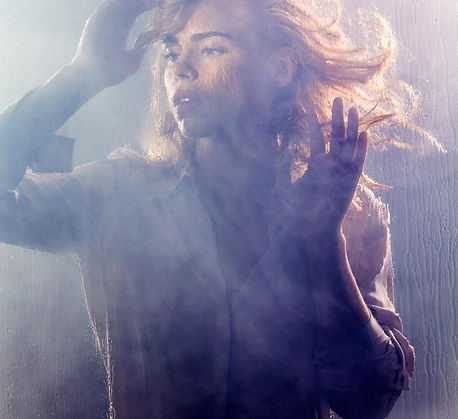
Differences aside, I would strongly recommend watching the Young Vic’s version of Yerma. Whilst Stone’s new tale is very unlike its original, Billie Piper’s performance as Yerma is heart-wrenching and unmissable.

Categories
Reviews

Tracksuit trendsetter turned Durham student: ‘BILA’

Tracksuit Trendsetter: An Interview with BILA founder

Sylvie Lovegrove


Established in 2020, BILA is a London-based fashion brand specialising in handmade tie-dye sets. It was founded during lockdown by Becca (19) and her sister Olivia (16). Now, you might read that and think: so what? As COVID seemed to gradually become synonymous with 15 year olds sporting an Urban Outfitters, Topshop, or ASOS tie-dye hoodie, is there anything really that special about one of the many hopeful businesses which decided to hop on the craze?

The answer is yes. BILA discovered the trend before it was a trend. They spotted the growing popularity of tie-dye, assumed the general UK public were in need of loungewear and decided to mix the two together. The result was the establishment of a hugely successful ‘lockdown company’. With an Instagram following now reaching 26.1k followers, influence endorsement ranging from TikTok stars to the cast members of Dance Moms, and a third clothing line imminently dropping, it’s safe to say BILA isn’t any other new brand hoping to reap the benefits of tie-dye hysteria.

We sat down with Becca, now a student at Durham, to find out more about BILA and how they made it so big.

1. So how did BILA begin?

When we first locked down in March I realised that loungewear was selling quickly and tie-dye was starting to become a trend. So I bought loads of white trackies, along with just plain white jumpers, from shops like Pretty Little Thing and my sister and I started dyeing them. Initially we sold them on Depop, but soon I didn’t want to pay the 10% Depop fee – so we set up our own website.

2. And how did the business begin to grow?

So then we decided to focus on growing the Instagram account. We just took photos on my bed and in my bedroom at first. Luckily we were one of the first companies in the UK to do it, before all the major fast fashion brands. So people were initially willing to pay more for our hand-dyed clothes, and then I think our customer base stuck. I started to use the money that we’ve made from sales and push it back into the company to buy more tracksuit sets, more jumpers and then we started doing cami tops as well. At one point, there was such a high demand for white tracksuit bottoms and we couldn’t find them anywhere, so we had to investigate getting them made abroad. And we found this small supplier in Pakistan who designed and made each piece indiviudally. So I had to learn how to logistically import clothes.

3. But you continued dying the clothes yourself?

Yes, so we were hand dying everything out of the kitchen. It was a mass operation to the point our entire ground floor was taken over by clothes, dye in bags and then pieces drying. The initial wash is really important. So we had to hand wash every single pair, and then dry them so that the die would stick. But luckily it was really profitable. So, although we worked really long hours, it was worth it purely for how much turnover we were generating.

4. What set BILA aside from other tie dye brands?

While fast fashion brands can produce clothes quickly, there’s nothing as efficient as producing them in your own house. Although the process from A to B was long, we could always ship an order the next day. After we got the hang of the dying, washing, drying and folding we could start to really pump out the sets.

5. And how did you keep up with the demand?

So at one point our parents said that they wanted their house back! It was filled with boxes and the whole garden was taken up by washing lines with truckloads of drying. So they said that we needed to either find ourselves an office or a warehouse. And we found these e-commerce warehouses in Acton. We put some of the money we made into renting one for almost five months. Once we had an office we started dying in huge quantities.

6. Did you move on from tie-dye, or is still BILA’s trademark?

Before I went to Durham we created a new collection. It was basically velour matching sets. We did those in four colours and different styles. That block actually did surprisingly well. It’s becoming increasingly popular and the Christmas season and Black Friday really helped sales. It was amazing to see the impact of how much a promotion and discount can make people buy.

7. How has the world of ‘influencers’ and Instagram helped Bila?

Instagram was our main marketing platform. I think we currently have 27.2k followers. The majority of those followers were from the initial lockdown, they grew exponentially during that period. People were spending so much time on their phones and online shopping, but it was the influencers that really helped the brand to grow. Instead of paying influencers we would just send them items and they would post wearing it and tag us; that would get us a ridiculous number of followers. We particulalry targeted Love Islanders and YouTubers, they would send our followers skyrocketing.

8. How have you balanced BILA with being a first year student at Durham?

So now everything is automated. As a sale comes in, it goes directly to a fulfillment centre in Bristol which has all of our stock. So now I only deal with the customer service side of things, and my sister does the majority of the social media. Essentially, the process is much less hands on now.

9. So what’s the next step?

Well, we’re going to try to get all of our clothing produced in the UK. Both for logistical reasons and because it’s much more sustainable. It would reduce our carbon footprint massively and we think that’s very important. Making the production of the clothing more sustainable would mean that the customer would have to take on some of the cost increase though. So we might need to do some market research.

Categories
Reviews

WeCraft: Combatting Loneliness Through Creativity

WeCraft: Combatting Loneliness Through Creativity

Katie Rutter


If you didn’t experience the effects of loneliness during the past year and a half, you are part of an incredibly undersubscribed club. While there will be those who recall the various lockdowns we have experienced with rose-tinted glasses – whimsically harking back to long days reading in the sun or attempting a new flavour combination of banana bread – for others, the deafening loneliness they felt casts a dark shadow over the glimpses of light which others choose to frame lockdown with. Now take this loneliness and imagine you’re living alone, potentially without access to social media and the Netflix subscriptions which acted as a balm to our social isolation. According to Age UK, 1.2 million older people in England are chronically lonely and 49% of those aged over 65 report television or a pet as their main form of company. The study also found that over 6 million older people say that just a few minutes of conversation makes a difference to their week. Just a few minutes.

WeCraft is a new social enterprise project which hopes to remedy this social isolation and consequent loneliness through our creative workshop. Following our launch, we will host a weekly workshop which encourages a community atmosphere and offers an opportunity for bridging the well-trodden disconnect between the student and local communities.

I joined WeCraft earlier this year when it was in its infancy and it was initially going to be a furniture upcycling workshop where we would sell the upcycled items to fund the project. However, we have decided that WeCraft should be a more flexible space. We want to create an outlet for creatives in Durham, both student and non-student, who want to share their skills and interests with others. Workshops will vary greatly in regard to their content; we will offer classes on still life drawing and readings of original poetry to discussion sessions accompanied by tea and cake. We are looking for student volunteers who want to get involved and pitch the workshops they wish to run to us.

However, the set up will not be as simple as students leading workshops which members of the local community attend. Rather, we hope that as the project gains traction and greater engagement with the local community in Durham, that the relationship between the student and local communities will become fluid as those attending the workshops can offer their skills and interests – prompting students to attend the workshops themselves. Hopefully this interweaving of the student and local communities in Durham will begin to heal the disengagement between them. We want to establish a community which offers an open space for conversation, creativity and collaboration. In the long run, we will establish a shop where we can sell the artwork, poetry anthologies and anything else we have collaboratively created in our workshop and this will allow the project to become self-sufficient.

We are hosting a launch event on the 28th of October in collaboration with Scoop at their space on the Riverwalk – a non-profit zero-waste food store. The event will act as a taster for what we will host in the future with three mini art workshops, tea and cake and will be an opportunity to sign up as a volunteer, to join our mailing list or to pitch an idea for a workshop you are interested in hosting.

Categories
Reviews

Let’s Talk About Sex – An Opportunity for Change

Let's Talk About Sex: An Opportunity for Change

Isabel Davies-Jones


As most students are aware, the attitudes towards sex at Durham University are problematic.

With the leaked group chat of ‘posh lads’ competing to sleep with the poorest girl at university in 2020, and the recent spiking incidences followed by the university’s victim-blaming response, it is clear that there is a lot to be done to challenge these harmful sexual attitudes and behaviours.

I am now in my third year, and I have noticed that things have gotten worse – or, at least, the people around me have become more aware of how bad it is. In Durham, my friends have experienced being groped, catcalled, spiked, and stalked. There is a general sense of fear when walking home alone that I don’t remember being as potent at the beginning of my university experience. It is heart-breaking and wrong that I can confidently say that every one of my female friends has had some kind of negative experience with these harmful attitudes and behaviours surrounding sex.

Of course, Durham is not unique: these problems can occur everywhere and to anyone.

The tragic murder of Sarah Everard in March 2021, a former Durham student, was a turning point. She was walking home in Clapham, London, an area I know and always thought of as a family-friendly place, when she was kidnapped. Tragically, this is only one of many similar cases. However, it hit close to home for many and sparked enough media attention to cause a wider conversation about the problem of violence against women. Since then, much attention has been drawn to the anti-rape and sexual harassment organisation Everyone’s Invited founded by Soma Sara, which has received over 54,000 testimonies of experiences with rape culture to date.

Despite this, a lot stays the same. We must keep trying and keep talking and learning about the harmful misconceptions surrounding sex. For most, sex education at school missed a lot. It didn’t tell us about any LGBTQ+ experiences, it didn’t mention pleasure, and it certainly didn’t teach us about how nuanced the concepts of relationships, intimacy, and consent really are.

Changing Relations wants student voices. If you want change, apply for the Student Social Action Group for the Let’s Talk About Sex project. Changing Relations is an organisation which uses arts to educate and break down barriers around harmful social attitudes.

As well as providing a platform where you can enact social change, being part of the group develops skills in marketing, event planning, leadership, and project management, so if you are interested in pursuing any related career paths, the Student Social Action Group would be valuable to your CV.

Joining the group will involve collaborating with the Northern School of Art and Bishop Auckland College and based on the meetings will result in an exhibition, a digital campaign, or a final event to raise awareness and educate. You will also have the unique experience of commissioning a professional artist. In the early part of this project, Changing Relations has been working with the fantastic Lou Brown (@goodstrangevibes), a queer, feminist artist whose work focuses on body positivity, mental health, and sexual experience amongst other topics with incredible honesty.

The group will meet regularly over the course of 6 months (January to

June 2022) for discussions.

As students, I think we have all felt helpless at times when faced with these issues. Young voices are often overlooked and doubted, but this does not have to be the case. Any Durham University student under the age of 24 is welcome to apply. If you have something to say, or you want to learn more about the topic, being part of this project is a great opportunity.

The deadline to apply to be part of the Student Social Action Group is 9am Friday 3 December.

Sign up now!: https://changingrelations.co.uk/our-work/lets-talk-about-sex/

Categories
Reviews

“Bull”: A Director’s Interpretation

"Bull": A Director's Interpretation

Giorgia Laird


Bull is a razor-sharp, vicious dark comedy. In a set-up which echoes that of The Apprentice, we watch three characters, Isobel, Tony and Thomas, as they fight for two jobs. One of them must go.

As this play unfolds, we witness a masterclass in collusion. Deceit and malice are ubiquitous throughout, making it hard to latch onto what to believe or not. Mike Bartlett skillfully interweaves every cutthroat tactic used in office politics to create a dog-eat-dog ethos which we somehow can’t help but be entertained by. For many people, however, the world Bartlett invites us into is actually a stark reality: a workplace in which themes of bullying, gaslighting and intimidation are inescapable.

At the heart of this play is toxic dialogue, heartless characters fuelled by ambition, and a ruthless workplace environment. It is thrilling to simply read it, let alone watch it progress in rehearsals and transform into a 55-minute performance! The reason I wanted to direct it is because the writing is so naturalistic, which, in turn, forces the acting to be naturalistic too. Moreover, there are absolutely no stage directions, meaning you have the freedom to go in whatever direction you want; there’s nothing – other than the dialogue – telling you what to do. On one condition: it must feel real, real enough for the audience to believe what they are watching and get carried away in it.

However, in order to successfully achieve the galvanizing tension required to pull this play off, not only was it important to work on pace, blocking and text analysis, but character work was essential. It has been particularly crucial in this case because lies – or rather bullshit – are interspersed throughout the script. Moreover, each character in Bull is inherently flawed. For the actors to shine, therefore, it was vital to understand the what and the why behind everything said. For this reason, I guess I should probably apologise to the cast for just how pernickety I have been at points with direction… but it was by focusing on what may have seemed like the smallest details that we were all forced to read inbetween the lines. A huge thank you must go to Charlie Howe (Assistant Director) who thankfully shared my vision from the start, aided me with the precision required in staging a show like this, and always has a useful suggestion up his sleeve when you most need it. In addition to this, I must say thank you to Lamesha Ruddock (Stage Manager), Ellie Fidler (Producer), Hidayat Malik (Technical Director), without whom this play would not be possible.

Now onto the actors, who, it’s safe to say, have – and continue to – astound me by how masterfully they seem to inhabit their characters, so much so that sometimes I forget I am watching a play…

Kit Redding as Thomas becomes the metaphorical bull. From the moment the audience files in, he is already onstage, biting his fingernails, nervously clicking his fingers, immediately revealing his character to be the lesser candidate in this fight for survival. Anna Birakos as Isobel, the ‘bitch’, and Tom Cain as Tony, the ‘sheer muscular wanker’, transform into deceitful, innately evil adversaries.

Figuratively speaking, they are the matadors, and with their provocations, they manage to belittle Thomas in every possible way they can find. Is that something on your face? You didn’t bring your sales figures? Why didn’t you wear your best suit? What did your father do? The two incessantly provoke him until Thomas has no choice but to let them twist the knife in his back. Even as he sweats and lashes out, Isobel and Tony seem all the more contained and in control. Despite his increasingly desperate reactions to their goading, audience members are invited to see this gradually twisted, defeated character through the eyes of his rivals. This is all the more evident when Thomas Bracewell’s Carter comes onstage as their unforgiving, intimidating boss. At the end of the play we are left thinking: Is there something on his face? Why didn’the wear his best suit? Is he strangely proportioned?

Staging the play at Collingwood’s Mark Hillery Arts Centre seemed like the right decision from day one. Nowhere else in Durham can you create such an effective black box theatre in the round, and I cannot thank Joe Elliott and Michael Crilly enough for making it possible. The decision to have the audience standing around the stage in an almost ringside formation means that the production is able to echo the ambience created at a boxing arena or a wrestling stadium. In such venues, spectators become voyeurs, complicit in their observation of the aggression taking place before them, and this play accentuates those feelings as we watch this brutal, metaphorical bullfight unfold. It also gives the audience no choice but to give a standing ovation at the end!

The more I think about this play and this production, the more fascinated I am by just how much nasty characters seem to resonate with audiences on a subconscious level. We don’t necessarily crave a connection with them, but we are horribly delighted with their immorality; every single malicious comment provokes a reaction from us whether we are aware of it or not. In this dark comedy in particular, you are almost urging each character on in your mind, secretly intrigued to see how far they can go with their reactions, merciless banter and goading.

Bullwill be riveting, uncomfortable and disturbingly captivating. Rest assured, you will definitely be entertained. You will definitely laugh. You just might not like yourself very much for doing so when the play ends…

———————————————————————————————————————————–
Bull is to be performed this Wednesday, Thursday and Friday (8th, 9th, 10th December) at 8pm.
Location: Mark Hillery Arts Centre.
Tickets only £5 or £4.50
Ticket link: https://durhamstudenttheatre.savoysystems.co.uk/DurhamStudentTheatre.dll/TSelectItems.waSelectItemsPrompt.TcsWebMenuItem_488.TcsWebTab_489.TcsProgramme_863815

Categories
Reviews

Review: “Bull”

Review: "Bull"

Keerthi Sudhakar Vasishta


The lights went off at 8.15pm. From 8pm, the thrust stage surrounded by a standing audience. The greeting was watching Thomas intently (Kit Redding) eating a sandwich. It was an intriguing sight. No one could decide if the sandwich and coffee were a part of the play or if the actor was having some late supper. Indeed, as two coffee cups seeped into the play, once could not say for when the performance actually began- with the coffee or the sandwich? The uncertainty summarises postmodern theatre and Bull in a nutshell.

Directed by Giorgia Laird, this performance of Bull was slick and entertaining. Kit Redding as Thomas, Tom Cain as Tony and Anna Birokos as Isobell were near pitch perfect with their characterisation, as was Thomas Bracewell’s Carter. Running close to 55 minutes, Bull held the audience’s attention with its dark-humour and razor-sharp exchanges. The small theatre created an intimate setting, almost too intimate and allowed for a probing examination of Thomas horrendous experiences.

Laird’s Director’s notes suggests that- ‘At the heart of this play is toxic dialogue, heartless characters fuelled by ambition, and a ruthless workplace environment.’ The viciousness in the portrayal of the workplace bullies Tony and Isobell as they try to trick and push Thomas out of a job embodied Laird’s observation. Isobell’s masochistic style was truly bone-chilling as she broke the fourth-wall regularly from all corners of the black-box stage. The competition to get two jobs between three members of the same team drives the plot. But it is not really ‘driving’ the plot. From the get-go, the result of the competition seems to be a foregone conclusion. Thomas is manipulated by Tony’s a disturbingly playful roguishness. Tony is clearly a critique of the toxic banter-at-all-costs culture that is facilitated by a toxic workplace environment. Isobell is a siren, tempting Thomas with a suggestive tone but obviously poisonous to his every move. At the very beginning, she tells Thomas that he is wearing the wrong suit and that there is a blotch on his right cheek. Tony piles on when he joins them. It is only when Carter (Bracewell) suggests Thomas isn’t wearing his best suit that Thomas accepts the criticism. The blotch may well be a bit of fiction from Isobell to taunt the obviously underconfident and working-class Thomas. The audience are held away from verifying the conceit by the lack of makeup and a near absence of any props in the office environment. Moreover, the audience, exposed to the manipulative ways of Isobell and Tony’s active support is left in as much doubt as poor Thomas. Isobell is tragic in her own way. She claims she was abused by her father and cannot seem to find any sympathy for Thomas as she mentally abuses him. She accuses Thomas of inappropriate sexual advances while flirtily rubbing her face against Tony’s bare torso in front of Thomas. Yet, you can feel her wounded, when she sees Thomas using some very sexist language against her connoting the immensely flawed characters being portrayed.

The tale of bullying is based on the elitism and snobbery that dominates corporate culture. The heartlessness of its characters is centred around a dog-eat-dog capitalist mentality which Thomas lacks and therefore falls prey to. Isobell, near the end of the play, confessing her active bullying of Thomas, claims she cannot help but be terrible to Thomas. She feels no guilt either- she says: ‘if not me, someone else would do the same’. The elitism is also accompanied by the stigmatisation of teetotallers. Thomas’ reluctance to consume alcohol results in him being excluded from all social situations. Desperate to retain his job, Thomas decides to begin drinking to stay in Carter’s good books which results in his getting mocked further.

Bull is a complex play. Director Laird, Assistant director Charlie Howe and the background producers and technical team have done a tremendous job of reading between the lines. The near absence of props on stage was very effective and added a layer to the performance. It elevated the very real and terrifying workplace environment into a meta-commentary on the culture of the capitalist, corporate workplace. Thomas became the audience because this was his nightmare being staged, as if it was a play-by-play depiction of a dream sequence with the worst versions of people playing deviltries on one man. The timing of the cruel humour, in terms of delivery in this staging amplified the mockery Thomas feels through this nightmare. While the play is originally written by an experienced playwright lacks stage-direction, the young director and her team her interpreted it with great swagger and elance.

One cannot rave enough about Kit Redding’s performance as Thomas. It may well have been the perfect casting choice. Redding’s style of dialogue delivery made him stand out, even with a very talented co-cast. His uncertainty and emotive body language played very well in capturing the essence of the very-underconfident Thomas. Isobell is all the things you have seen, like to see and would hate to be. Birokos reminds you of the all those female political manipulators from history and media. She’s got the bone-chilling smile epitomising the femme fatale but retains a uniqueness. Her naturalistic style of performance was remarkable. Tom Cain as Tony plays the brute convincingly as does Bracewell playing Carter.

There were some occasional slip-ups with the dialogue and inconsistent characterisation. But it would be harsh to pay too much attention to that while watching a very complex piece of writing come to life. That would be missing the point, completely!

Hidayat Malik’s lighting is subtle and simple. Stage Manager Lamesha Ruddock and Producer Ellie Fidler’s contribution must be acknowledged.

Laird claims in the director’s notes to this production of Bull that her team aimed at precision. Fourth Wall Theatre’s Wednesday’s performance was indeed very precise in leaving the audience exactly as the director promised.

Laughing and not happy with themselves for doing so.

Bull is playing at Mark Hilary Arts Centre on 8th ,9th and 10th December, 2021.

Categories
Reviews

Wayzgoose X Whyte Rushen

A Sit Down with Chef Whyte Rushen

“There’s not an hour that goes by that I’m not wishing that I was eating some sort of fried chicken.”

It was bitterly cold in London. I was nursing a Guinness, alone, at 7pm on a Friday evening in January. Fear not, I was waiting for a friend who was running late, but I thought I could use the time to be productive. I drafted what turned out to be a somewhat long and shmoozy message to an instagram chef. Slightly tipsy, I began the message with ‘Dear Mr Whyte’. I begged him to agree to an interview and sent the message before I could think twice. Little did I think he would reply, let alone see it. But a few hours later, and a few pints deeper (thankfully no longer alone), his response flashed up on my screen: ‘Sign me up mate’ and ‘You could have just said hi mate’. Safe to say I overdid it with the speech, but when it comes to an idol you’ve got to give it your best shot, right?

I’ve been following Whyte Rushen on instagram since the first lockdown, and have oohed and aahed at his mesmerising photos of food along with 20,000 other followers. I managed to get myself to one of his pop-up’s in September 2021. Guzzling down a chicken shawarma calzone in Dalston roof park, I thought that I’d died and gone to heaven. That was before I’d even tried the ‘poysters’ (pizza oysters) that were the secret item of the pop-up, access to which requires whispering a code word in his ear. After months of only seeing his signature icon, a ‘Whyte Rushen’ scrawled onto a ‘Hello, my name is’ sticker, I was taken aback by his bubbly demeanour. Face to face with the man himself, I was thrilled to find him to be so friendly and happy to chat. I found myself at another pop up a couple of weeks later, this one staged outside a chicken shop. Let me just tell you, the tamarind caramel wings with rainbow tobiko mayo are on my death row meal.

Back to January. I text Jojo, and before I know it there’s an interview in the diary. For those of you who don’t know, just a few minutes scrolling through this man’s instagram will give you an idea of his vibe. Blending comfort food with high cuisine, his flavours and combinations are consistently unique, creative, and delicious. To give you an example, the most recent pop up item was braised octopus takoyaki confit garlic dough balls with seaweed salt, katsuobushi, kewpie, bulldog sauce and shrimp floss (decipher how you will). He’s also an artist, selling his paintings for up to £300 through instagram, and a brilliant writer. His captions are curated so that they are fascinating yet readable, and his personality, although always elusive (we still don’t know his name – and yes, we tried to get it), always shines through as down to earth and familiar. This is exactly what it was like to interview him. It was a pleasure for both of us and the fact that he gave a small time student magazine an hour of his evening is another testament to his character. He clearly, despite having gone viral for selling smash-patties outside his council estate to hundreds of people, including Lily Allen herself, has stayed true to his aesthetic and his roots. He just wants people to have a good time and enjoy his food, and when I find myself tat his next pop up, I know that’s exactly what I’ll get.

Wayzgoose: How are you?

Whyte Rushen: Yeah not too bad, busy but it’s good to be busy innit.

WZG: I just wanted to start by asking for those readers who don’t know you, would you like to briefly introduce yourself, explain who you are and what you do?

WR: I’m Whyte Rushen, for the past 10 years I’ve been working in Michelin star kitchens, so I got my foot through the door a long time ago. So I was a builder originally, hated that, forever, like hated it, as soon as I got into it to the day that I left. I dunno what it was but one day like, yeah I just decided enough is enough, I’m going into the chef game, so yeah, first and foremost I guess I’m a chef. I seem to have gotten a bit of clout on the old instagram over the last year, putting stickers up on the wall, posting pop-ups and various collabs. So that’s me I guess in a nutshell.

I’m from Hays, West London, I’m originally from the wild west, as west as west can get really. Close to Heathrow airport, quite a dingy little place, the armpit of the west. I guess it’s really only known for passing through when you’re going to the airport, or drugs I guess.

(Chuckles to himself)

WZG: How did you come up with the name Whyte Rushen?

WR: I just really like the cocktails, and like where I’m from we always done graffiti innit, so I guess I’m from a bit of a graffiti background, we just always kinda spelt things a bit weird, you know, you’d replace the I’s with the y’s, might put a fuckin E on the end of something, so you like swap the letters about a bit. But that was what my Instagram was called like even when it was just like my personal instagram, there was never no big decision to make it like a brand name or anything like that. I think my real name, I think that one got like hacked or something like fucking years ago, so it just stems from that really. If you scroll back far enough I think there’s just photos of me on holiday, just doing weird shit.

WZG: You don’t seem to disclose your real name, is that a conscious choice or just how it has played out?

WR: Dunno, I dunno, (Deep breath) It weren’t a conscious choice to begin with yeah, cos like when everyone starts calling you it you just go along with it innit, so there was like so many people addressing me as Whyte and I was like ah that’s not my name, and they were like ‘I didn’t even think to ask your real name’. I was getting it in emails and stuff where people were just addressing me as Whyte Rushen, and yeah, it’s just become easier to go with it. I guess it’s becoming like a stage name innit. So yeah I just kind of adopted it in that sense, and then I was like fuck it then, let’s go all the way and yeah just take my real name a little but out of the public eye I guess.

If anyone come to the early pop-ups where I just took the payment via paypal, everyone would just know my name innit. It’s all just quite fluid and like there weren’t really, like I never really made clear-cut decisions it just sort of always seems to have fallen in place, even with the logo and stuff you know.

WZG: yeah it seems like it’s all true to who you’ve always been which is cool

WR: Yeah, like with the logo, the logo was just a picture of me, and like (Sighs to himself) when I started getting a bit of a following and that I was just like I should get a logo innit, or some sort of art work or summing, so I had this big fucking thing in place like I was talking to this artist and he had all loads of stuff, he’d drawn out a few concepts and I was ready to splash quite a bit of money on it, but then I just had this fuckin sticker and I just wrote my fuckin thing on it and then that seemed to one that got some sort of clout, so I decided not to go with the fancy shmancy art work and just adopted this sticker.

WZG: With the role of Instagram in your work, do you think in general the roles of chefs might change? Thea and I were calling it ‘Instagram Personality Chefs’, do you think this is the new thing?

WR: everythings the new thing till it’s the old thing innit, like tik toks already taken over, it feels like at the minute, if you’re not on it, like instagram and stuff, I guess you’re kind of getting forgotten or left behind a little bit you know what I mean? All the chefs that I’m kind of, well I’m mates with a lot of them anyway, but the people I’m exposed to, and all the dishes they’re putting out, sort of what’s going on in their restaurants, and all that, I’m exposed to that via instagram. So, I guess in that sense yeah definitely. And it’s a big thing for business innit, I do 100% of my fucking business through instagram. So yeah, I think it’s here to stay definitely, even just as a tool to push your business and promote yourself.

It feels like chefs are getting sort of more air time as a personal thing rather than the restaurant that they are attached to, which I feel like is a positive thing.

“I think my real name, I think that one got like hacked or something like fucking years ago, so it just stems from that really.”

WZG: The nice thing I guess is your pop ups also make your Instagram content into a reality too

WR: yeah that is something i’m proud of, making it a physical thing, you know kind of dragging it out of the digital world and actually being able to offer something tangible, that’s something people have taken to that feels nice man.

WZG: How much work would you say goes into each pop up?

WR: I think at the moment, cos they are mostly just one day events, like one day one night, we set aside two days prior and the day for the actual event, but that’s just from like a physical work stand point, so you know, you’re doing your two days prep, you’re getting the venue ready and doing the pop up. In terms of all the back and forth like getting the artwork sorted out, designing the menu, it starts a month before, and it kind of doesn’t stop until you’ve done it. Like, at some point, everyday from its conception you’re doing a little bit of work on it, whether it’s just talking to somebody, hiring something, there’s a lot that goes into it behind the scenes man.

WZG: We always say it’s so good that the prices of your pop ups are affordable, like as students we’ve still been able to come to loads!

WR: Yeah yeah, don’t get me wrong, that sometimes kicks my arse, I’d just feel so dirty just jacking it all up do you know what I mean? It’s not what I’m about man. Like I like the crowd that I’ve sort of attracted so why alienate people that have already shown a bit of loyalty I guess, and shown a bit of passion for it.

WZG: So how many people do you have working on your team at the moment?

WR: I’ve got Mike, you know Mokes, he’s my sous-chef so he’s on every single pop up with me, and will be forever. It chops and changes, there are like 5 people who help, but it all just runs on mates and favours surprisingly. I haven’t really got a payroll or a full team at the moment but obviously the venues as well tend to put on a few people you know. I guess for a big event I’ll roll down there with 5 people.

WZG: Do you work on your menus with your team? I find the way you combine flavours insane, for instance the octopus in your last pop up! How do you come up with these dishes, where do you get your inspiration from?

WR: Yeah I guess it is 99% me really. I cook based on memory and yeah I think about a time in my life rather than an ingredient. A prime example is the octopus thing, the takoyaki balls was one of my favourite things in Japan, so i’ve always wanted to do a take on that, and then I dunno…it’s just the way my brain works.

So for me if I’m working with a pizzeria, like the pop up that was a collab with Gordo’s, why not take those balls, turn them into garlic dough balls, but still riff off the original flavours so that’s how that one came about. But yeah I just really try to take in my surroundings and stuff like that. Like the one at the Hoxton was a collab with Camden brewery so I made sure that there was beer in every single element of every single dish, you’ll see one that’s gonna be a good example which will be the one in Camden, so I’m gonna base the menu on all the like takeaway food that you can get in Camden market so all the Chinese takeaways and stuff that you pay a fiver for and get a ratchet box of stuff on like a silver tray.

It’s just about having fun as well innit, just cooking stuff I wanna cook and you know I guess what people haven’t seen too much of before.

WZG: Are they any childhood influences/dishes that have inspired your food?

WR: The older I get the more I feel like I’m tryna go back to like, like I dunno I was infatuated with Japanese food, Chinese food and food from all over the world. But, I think the older I get the stuff that interests me is just these tiny little snippet memories. Shit that my dad used to cook and stuff. I guess I’m trying to chase that backwards and sort of re-live those memories.

I think English food in London and shit is underrepresented at the moment man. If it is represented its just a massive lie, like when chefs are like this is English food and its like venison and fuckin pigeon and shit like that and I’m like where the fuck did you grow up?

(Laughing) Like who the fuck was eating that? Like yeah, you got that ingredient in England, but its not English food, English food to me, we was eating from chicken shops everyday, like my mum and dad would, I mean we weren’t rich so it’s just like most of the time its just frozen shit you get in Iceland, and Sainsburys and shit like that. But I find it fun to kind of like take that food and elevate it I guess, and make it in a way that kind of shows the skills that I’ve learnt over the last ten years breaking my back.

So it is fun to do like some chicken nuggets and baked beans and just make ‘em nice you know what I mean? It’s relatable as well and I think that might kind of be why people do sort of gravitate to the pop ups. As mad as it all is there’s always an element of relatability I guess.

WZG: So that relatability is important to you? I guess in your insta captions it’s all kept quite colloquial.

WR: I’m just trying to share my story, do you know what I mean? It is nice that people can relate, you feel in touch with people, rather than it being empty likes and stuff. Because the writing is quite personal sometimes. It took me a while, but like the pictures of food on instagram like everyone is doing that and that’s fine. But I felt like there was a turning point where I was brave enough to write about the things that are going around in my head, it felt quite personal. But yeah it’s nice that people relate to it and like, it’s nice to just be heard.

WZG: What’s your plan then? You’re super busy with pop ups over the next few months but will you try and set up your own restaurant?

WR: I mean I don’t think I could set up a restaurant even if I wanted to at this point, this year, cos I’ve already boxed so much stuff off that I’ve already sort of said yes to. I would love a restaurant, don’t get me wrong, and I firmly believe it will happen if I make the right moves but I think that might be next year. But, urm, in terms of this year, I think it’s just gonna look a lot like last year but just I think you know, bigger names involved in the collabs, crazier venues, like I’m really excited about pushing the art direction of things as well.

“When chefs are like this is English food and its like venison and fuckin’ pigeon and shit like that and I’m like where the fuck did you grow up?”

WZG: Yeah! You’ve suddenly started selling art, have you always been into it?

WR: Yeah its fucking wild innit! (Laughing) I’ve suddenly started selling art, that’s basically what it is mate yeah. Fuck knows, if you can explain it please let me know, its wild man. I dunno, I guess in a weird roundabout way I was an artist before I was a chef, sort of going back to the whole graffiti thing, you can see in my artworks like I’m not drawing the Mona Lisa, it’s kind of more obviously graffiti based kinda art. I guess it sort of works from the standpoint of having that logo there, that’s become a bit of a like, I don’t wanna say ‘icon’, that’s so dirty but, you know, it’s becoming recognisable, somewhat, in a few circles…

I guess the art just works as an extension of that and you know the merch is doing kinda well with the tees and stuff every now and again. It’s all art innit, everything’s art, the foods art, the music is art, the art is art.

I never price them, I just kind of invite people to pay what they will I guess, some of them have gone for like £300 quid and shit which is wild. I just enjoy doing it man, the first few were so bad but people were like oh can I buy that and I was like fuck yeah you can. It’s a bit of a de-stress for me. I really enjoy doing it.

WZG: It’s so nice you can have fun in your career that now involves two creative things that you enjoy.

WR: Yeah it’s mad luck, I feel so fortunate that way do you know what I mean, cos I feel like everyone’s got something you know, everyone’s got like some sort of special shit that they can do and they’re really good at yeah, but I think that the saddening thing is not everyone has the chance to have like an audience to show it right? So you can go through life without ever getting a chance to put your talents in front of a massive audience which I’ve been fortunate enough to kind of get. Yeah man, getting all a bit philosophical innit.

WZG: Did you have a favourite pop-up last year? Or a highlight of the year?

WR: Favourite pop up that’s mad, yeah man you know we done 32? Ended with the one in Scotland which was a nice way to round it off, I know it’s only Scotland but we did sort of count it as like going to a different country.

WZG: it looked so good that one, is that the one where the oven broke? Or you had no power?

WR: Haha the oven broke?! Mate the whole thing was plunged into darkness. There was a massive storm followed by a massive national power cut, so the whole week we had no internet, no hot water, no phones, no power – no nothing. Me and Mikey ended up just fucking, (Laughs) putting a pizza dough together, sort of re-imagined all the ingredients we had got together to do this sit down meal, and used them as pizza toppings effectively, and just fucking cooked them over like coals man. You got a lot of people there you don’t wanna let them down you know.

“It’s all art innit, everything’s art, the foods art, the music is art, the art is art.”

When I went to Mortimer house, that was the first one that sort of came away from the street food theme and was like a sit down multicourse meal, that felt like it was something massive. So I guess that will always be a cornerstone, that we managed to take it away from one sort of street food item and sort of harness it into effectively a restaurant meal. Obviously having Scream dj at that one aswell – was just like what the fuck is goin’ on, I loved that one. Not only was it having Scream there, who was someone that I looked up to, and genuinely listened to the geeza’s music and I have done since I was early teens, and suddenly he’s there as one of the biggest dj’s in the world and fucking doing an event for me – it was a bewildering moment. So that was one of my favourites.

The ones at my flats are always ones that I love. Just the OG’s one doing the burgers. Let me think. The one from the off license was sick. We just done cheesecake literally from my local offy. The chicken shop one was bangin’ tho yeah cos that one had the air of the art direction to it. We had some art on display, we had all the spray painted t-shirts. I think you’ve got them ain’t ya, unless you’ve binned it because how much did they smell of paint (Laughs).

WZG (Jojo): Yeah we’ve got them!

WZG (Thea): Definitely not binned.

WR: Wild man yeah they had a smell to em

WZG: It’s cool that the pop-ups are an all-rounded experience, obviously the food is the centre-piece, but the art and the music is a big part of it as well

WR: Yeah, I guess I’m just trying to make them events now innit instead of just food. It feels like, on instagram as well like people are buying into more than just the food, like investing in someone as a person I guess or I dunno the beginning of a brand. I guess just trying to make it more like an event, more of a rounded thing people can do and just come chill for like a whole day. It’s just nice for everyone involved to come and have this really sort of all-round event, instead of a one-dimensional experience where you just collect food off someone, like every food truck wherever can do that.

“Everyone’s got something you know, everyone’s got like some sort of special shit that they can do and they’re really good at.”

WZG: What would your death row meal be?

WR: I have come to the decision that I would have a Chinese takeaway, but no fancy stuff, just my local Chinese takeaway, sweet and sour sauce everywhere. I love the crispy seaweed, it’s one of the best things in the world yeah. But yeah real trashy, and then, I just love fried chicken so bad mate, it’s a problem. There’s not an hour that goes by that I’m not wishing that I was eating some sort of fried chicken. Then I dunno, I’d probably have a real, sticky sort of naughty desert like, a sticky toffee pudding, or a treacle tart or something. Something insane- if you’re gonna die just go out having something that feels like it’s gonna kill you anyway, like even if the chair doesn’t work I’m going out.

WZG: What’s a food or dish that you tried recently that surprised you? And what’s one that you haven’t tried but would like to

WR: I tell you what surprised me yeah, you know in my last couple posts, that refreshing black fungus, its like woodear mushrooms in a bit of black vinegar, coriander, bit of chilli bit of ginger. It’s one of them things you would glance over like I’m not getting a plate of weird mushrooms, but its so fucking banging like no wonder they call it refreshing. The texture is banging – it’s like you’re eating it and you’re having a lemonade at the same time. So that was the one that surprised me cos it was such a sly little banger, I was like here we go this is gonna be very average, and then it was just the sickest.

I wanna try real tacos in Mexico. I’m going there in April, I think I’ve looked forward to that for my entire life. Yeah I wanna eat tacos el pastor at like 2 am in a car park somewhere in the middle of Mexico city.

WZG: Do you have a go-to comfort meal?

WR: Just having a moody Chinese always reminds me of being at mum and dads, it was my favourite thing when I was a child and that. I think fried chicken by nature just seems to be like a cuddle. I tell you what I always sit there mad content after and it’s not very often, but you know just a proper well-made shepherd’s pie. You just sit there on the sofa… when you live in London or England you always wanna move somewhere else but when you have a shepherd’s pie you’re like I know why I’m here actually, like I am in the right place in the world.

WZG: Do you have 3 ideal dinner party guests?

WR: Tell you what, who would I have, I don’t think I would have any chefs. I tell you what I’d have David Attenborough, and I’d have Stephen Fry, cos that’s banging like you know that the conversations are always gonna be mad. I’d have Amy Winehouse too I reckon.

WZG: Go-to offy snack?

WR: Ah mate, urm, I guess I like obscure ones you might not have heard of. You know what I love yeah they come in a little roll, they’re like waffles yeah but they’re tubes and they’ve got like a cream filling, they’re Polish and Russian or something. You can get hazelnut ones or coconut ones, they’re banging yeah. I think the sugar content is so high in them yeah, like if youre fucked and you just eat a whole box of them yeah real quick you’re just fine, so that’s a little survival tip for anybody. We all need that.

I love ribbons saucy Nick Naks, best crisps in the world. You gotta get the purple ones. Other than that if I’m in the offy I just get a can of gin and tonic, always the diet ones as I’m tryna watch my figure.

From chicken wings and spray-paint tee’s, a sat down beer inspired tasting menu, pincho in an underground (previous brothel) venue, and finally Caribbean style snacks in the Prince of Peckham. It seems that collectively, Thea and I have attended (and eaten) most of Whyte’s creations. The Whyte Men can’t Jerk event did not disappoint. After a few tinnies on the bus, the Prince of Peckham in all its glory greeted my eyes. The anticipation for the source of the aroma that had been hugging my nostrils for a good hour was made easier by the happy hour cocktails. Safe to say, the curry chicken chips along with the curried goat burger, caramelised pumpkin patty and roasted breadfruit, were all shovelled ever so gracefully into a greedy mouth. Amidst smoked-oysters with banana chips and a boogie accompanied by salt-fish doughnuts, I bumped into the man himself, asking him to describe the night in three words: ‘utter controlled chaos’. I know you’re tempted, maybe your mouth is already drooling- stop dilly-dallying and get yourself to a pop up.