
By Sam Unsworth
Images that have been dominating my small screen in the past few weeks ( for I am publishing this quite a while after these events ) are scenes unfolding in Barcelona, where locals are protesting against the waves of tourists that descend on Europe throughout the summer. From water pistols and red tape to the more intimidating smoke bombs, flares, and verbal abuse, it is clear that locals are thoroughly outraged. While we may laugh at the sight of some unsuspecting holidaymaker, adorned in a bumbag and golf visor, being soaked by an angry resident, we must understand the deeper issues affecting these hotspots — and why they should matter to us.
I am a frequent user of Airbnb and have logged a fair few points on Booking.com, but until now I had not fully appreciated the effect these chains are having on local communities. Protestors were seen holding signs reading “El teu Airbnb era la meva casa” — or “Your Airbnb used to be my home” — which illustrates the root issue. People are being priced out of their own homes, and as they are squeezed from city centres, so too is their culture. How often do we see Irish pubs or an English breakfast headlining streets and menus across Europe to cater to bland palates or one-dimensional interests? In my view, all too often. If locals are pushed away, then truly, what is the point of travel?
To use the Sagrada Família — which is, or will be when it is finally finished, a true wonder of the world — I believe that a traveller must look beyond the building itself to the people who built, designed, and laboured since 1882 to create such beauty. Surely this is the real wonder, and this wonder is under threat, as these are the same people now lining the streets in protest.
Tourism is integral to many areas, and it is a major part of the Spanish economy, making up 15.6% GDP in 2024. This makes it seem strange to expel such a money-making machine from one’s country, yet I think the behaviour of tourists differs so greatly. I would be lying if I said I didn’t want to squirt water at the summer crowds in Oxford or London as they trudge along awkwardly, lining up for a picture with something I see as part of my normality. I could argue that I put up with it, so surely those in Spain can do the same. Yet here, locals are not being excluded from city housing in the same way as those in Barcelona; people do not waltz around in swimsuits, drunkenly singing and causing havoc, nor do they push back against our culture. As such, the culture and fabric of Barcelona and Marbella are being deconstructed in a way dissimilar to that of British tourist cities or towns.
So, the real question is: what can be done? People will still holiday in these places, whether locals are unhappy or not, but can we do something as a collective to make us Brits abroad more bearable? Perhaps by utilising hotels or hostels to a greater extent, travelling to areas beyond the classic cities, and allowing culture to flourish both in city centres and rurally. Let travel open our minds to new things rather than seeking familiarity in foreign lands. More practically — as I was reminded by signs in Croatia recently — dressing appropriately, drinking respectfully, and generally not reinforcing the British holiday stereotype. Tourism can be a wonderful thing if it reinforces cultural appreciation rather than suffocating local traditions. To appreciate the views of locals and respect their space in their own cities may well be the best way to soothe the protests, as we, the tourists, look to understand the fears and worries of local populations.
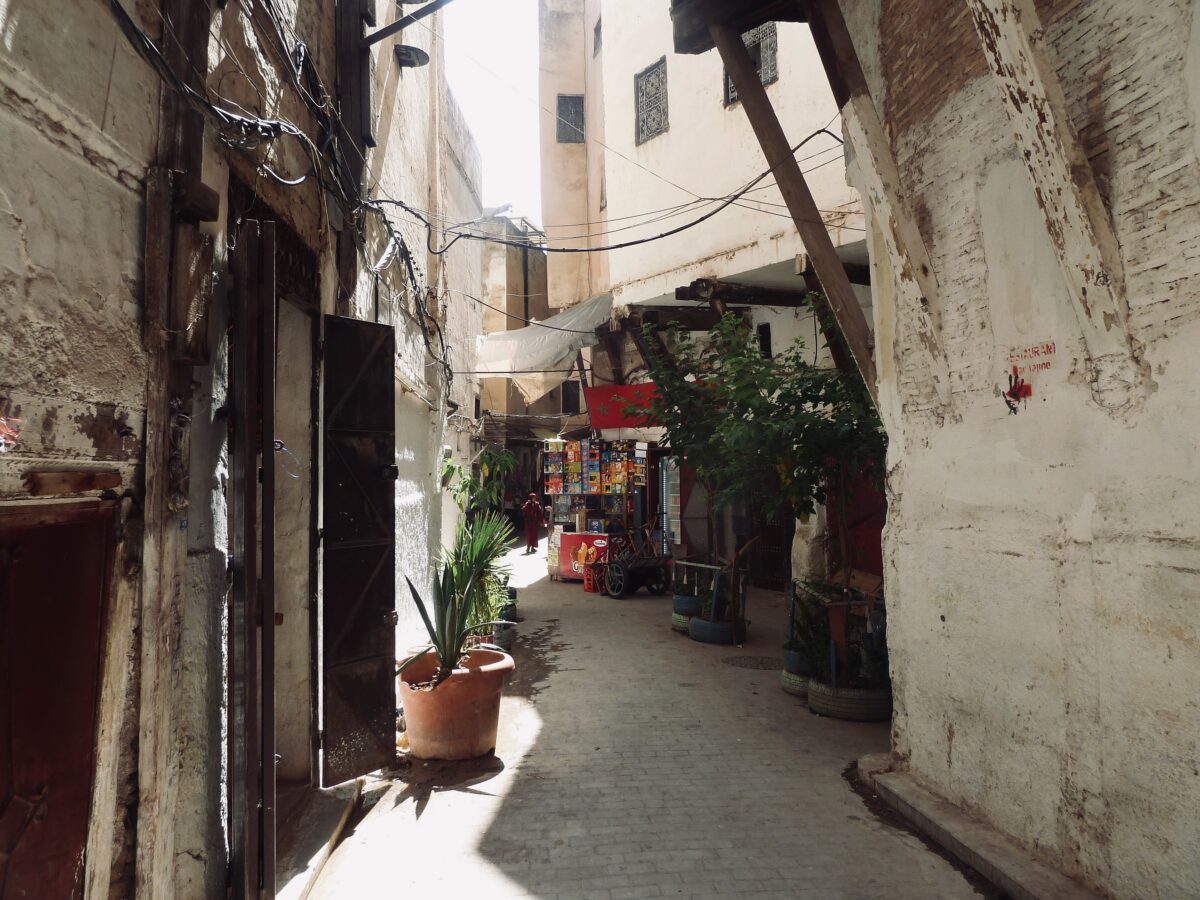
Featured Image: Honor Adams
One reply on “The Conflict of Tourism”
Love the notion of seeking the novel and rejecting familiarity … and interesting to question how the emerging concept of ‘tourist traps’ has shaken the tourist’s faith in the familiar or easily accessible.