By Matty Timmis
I prefer my heroes a bit shit, thanks very much. Dour and perturbed out on the peripheries, frankly I’d prefer it if they didn’t even save the day. Leaning against an oblique wall, my beau ideal cups their crooked fag against the jetsam and bluster of the battle they slope to inattention for.
David Berman leant this way, I think. He seemed, wearily, to be laboring against something; in a costume of faded jeans, an unwashed shirt and a cape of stale cigarette smoke fluttering behind him, he fought strange fights of hearts backfiring and red-rusted souls. With a smoked southern drawl of weary nonchalance and jagged pain, he seemed to be drenched in the idiosyncrasies that one finds watching a beautiful sunrise from a motorway flyover, completely off your face.
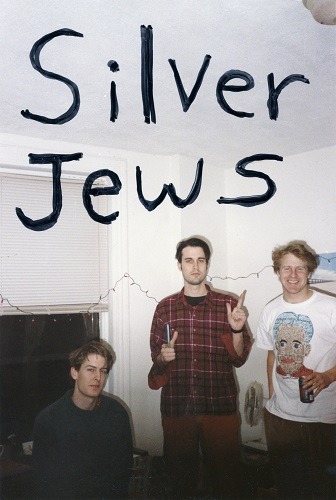
His main band, the Silver Jews, sputtered into existence sometime in the late 80s, someplace in upstate New York, and started life recording shambling tunes into peoples answering machines. Working as security guards at the Witney museum, Berman and his bandmate Stephen Malkmus were, I imagine, immersed in the post-modern abstraction and rarified boredoms of a conceited new culture. If I were pretentiously inclined I may say they strove to redress the exploding of structure’s ensuing isolation and other such brave new bullshit. Abandon your post-structural theses and assaults on the continuity of comprehension here, however, as we see before us a layman’s group in the most beautiful possible sense.
Releasing seven studio albums over fourteen years, the Silver Jews charted the course of the weirdos and wanderers of the American landscape. Despite holding an MA in poetry and being a published poet, Berman’s group was not an urbane exercise in the oddities of parochial backwaters and faltering dreams. His was a true and trembling band of somewhere in-between. Lyrics spun out of Kenneth Koch and William Faulkner’s acid infused dreams, and a group of musicians who played like their trousers were falling down, made a group that seemed too weird to live, too rare to die. Their loping shabby songs of lo-fi indolence and ingenuity were too piercing and too perverse to ever take center stage, too poignant and profound to be relegated to the annals of indie landfill.
Cruelly then, it is fitting that the 90s music press maligned them as a side project to Malkmus’s main group Pavement, darlings of the alternative era. Fulfilling your own prophecies I should imagine is seldom an enviable position to find yourself in, and in this sidelining David Berman got rather too close for comfort to the reflection of the half forgotten worlds about which he wrote. That intimacy with the inverse of the American ideal, however, gave birth to what is generally considered Silver Jews’ defining record, American Water. The album epitomized the wit and wonderment, the gothic and the absurd, with sardonic disaffection, a disillusioned prophet incanting his drole wisdom, merely glimpsed through the creaking screen door of a tumble down honky tonk.
I shan’t say though that they triumphed over adversity, for the opulent sweep of a triumph seems an anathema to their elegizing of the down at heel and just plain peculiar. Rather I imagine it bought Mr Berman a step too close to embodying his subject matter. Hailing from West Virginia, our raffish hero did not come into this world as an introverted troubadour or baleful soothsayer of a forgotten world of rickety dreams. Berman was the son of one of the most egregious and hateful lobbyists in Washington, so grew up for all intents and purposes affable and affluent, far from suckling on the American dream he came to find so disreputable. So maybe there’s the tension, the catalyst behind his catalogue of slackers and outcasts. When Berman disbanded the band in 2009 he claimed, defeatedly, that his music couldn’t begin to undo the enormity of the damage his father had done to American society.
I suppose that clung to him and his art throughout his career, peppered with depression and suicidal thoughts. You can hear it in the conclusory song ‘Pretty Eyes’ off 1996’s The Natural Bridge, his voice ringing hollow and profound with the unearthly anguish of an extreme sleep deprivation he was hospitalized for the moment he finished the song. Post-American Water, in a scene that veers between the prophetic and the melodramatic, he crawled into the Tennessee hotel suite Al Gore watched his 2000 election loss from to overdose on painkillers, proclaiming his wish to die where democracy did.
Berman took his own life in 2019, days after releasing his final album, Purple Mountains, pre-empting grief and bereavement with his unique amalgamation of insight and deflection, repartee and honesty – the funniest and most wrenching suicide note one could possibly conceive of. So where does that leave me and my languid sage? If nothing else, the wonderful immersion of his curling lyrics proved invaluable to me when I was looking for someone to rip off when writing crap angsty poetry as a teen. I suppose the appeal lies in that mercurial world of catharsis, for I can imagine him saying that the view from the second place podium is a tonic of bittersweet wist. I don’t want to hackney the sentiment that he makes one feel sufficient in place of inadequacy, so I posit that he speaks to the clouds drifting across the sun, of the erroneous beauties whispered through the battles of each day. He seems to me to be the hero of what could have been, of falling short of the mark, of an unusually vivid humanity.
‘Repair is the dream of a broken thing, like a message broadcast on an overpass, all my favourite singers couldn’t sing’.
David Cloud Berman, never a truer word was spoken. God knows you can’t sing, but I wouldn’t have it any other way.
As a footnote, that is the only lyric quote I have included here because I cannot bring myself to spoil the visceral poignancy you may find in them when you are particularly low.