
By Sam Unsworth
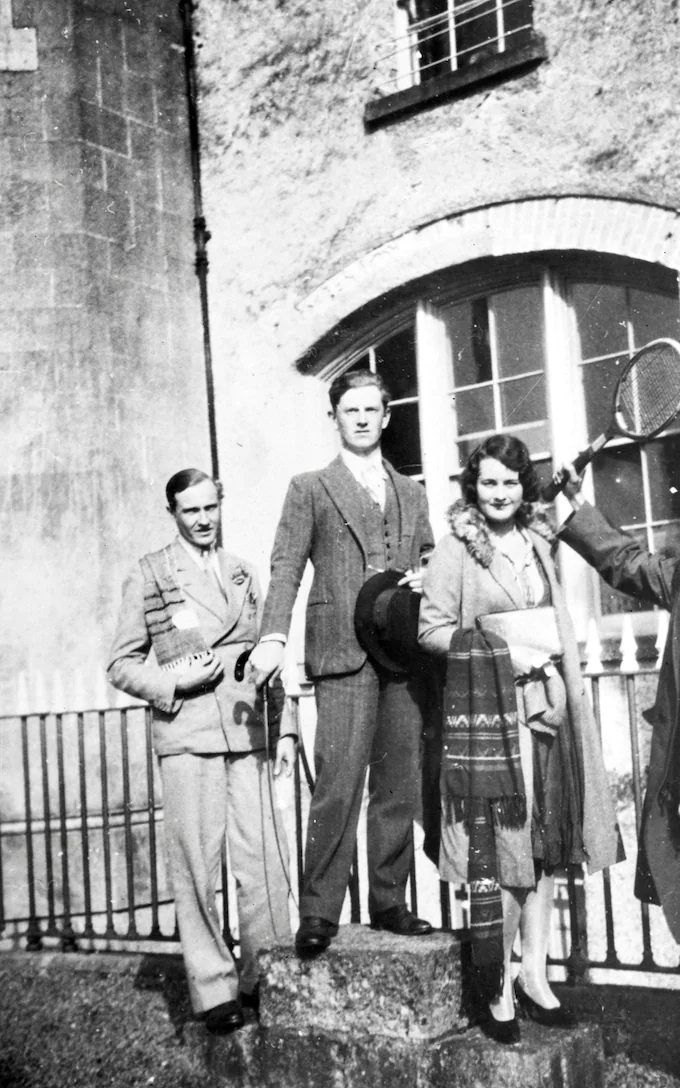
It is a more than well-known fact that there is simply nothing new in fashion; all is a rehash upon rehash of older ideas, cuts, and silhouettes- with the exception perhaps of fabric. Nonetheless, it is still interesting to examine the comparisons we can draw with the past and how these may hint at the ways in which fashion may evolve in the future. This article will focus on men’s fashion with all the authority of someone who watches too many films, looks at too many clothes, and picks up some of Hardy Amies’ books from time to time. In my opinion, the 1930s arguably saw the peak of the suit. Focused on both style and practicality, the thirties flowed with softness and ease of wear in its fashion. Broad shoulders and well-fitting garments designed to exude confidence and effortlessness, and most importantly, simplicity. This, I believe, is seeing a revival in the style of the everyday man’s wardrobe, as well as among stars on red carpets across the globe.
The first thing that occurred to me was what YouTuber James Leung refers to as the “2025 uniform”. This, as one is probably aware, tends to involve larger, wide-legged trousers paired with a well-cut t-shirt and some form of polished boot or shoe. Now, how exactly does this reflect the 1930s? Well, the ease of this type of outfit and the emphasis on basic, comfortable clothing are clear indicators. If we were to examine the suits common in early 1930s Germany, we would encounter loose-fitting trousers that flowed neatly down from the waist, usually accompanied by pleats. These loose trousers permitted a clean break above the shoe, a feature often mirrored in contemporary fashion. This, however, was not restricted to Germany- rather reflecting a shift toward practicality within men’s fashion in a post-Wall Street crash world where men would have less time for leisure and would look to own curated items that would last comfortably, whilst also retaining some of the finery of the 1920s.
Furthermore, the influence of The Great Depression saw an increase in workwear being utilised more openly- with the serial production of French chore coats by the likes of Le Laboureur and Vetra, allowing working-class fashion to evolve further in Europe (If you want to know more about Le Laboureur, I would recommend Albert Musquiz’s YouTube channel). In the USA, there was also a boom in workwear fashion, with Levi’s and Carhartt gaining nationwide prominence with the emergence of the first Carhartt jacket, the “Engineer Sack Coat,” in 1925. Workwear in fashion is not restricted to the 2020s; however, there is a clear increase in the sourcing of pre-loved or softened workwear for incorporation into the fashion world, which has led to online trolling of individuals for ironically having “soft hands” while donning traditional workwear, arguably demeaning and accessorising its blue-collar roots. US workwear appears to be in high demand at present, consistent with a broader pattern of US influence, particularly through film stars, celebrities, and social media influencers.
A key focus must also be placed on the cut of suits and trousers. Gone are the days of oversized and baggy apparel; people instead want well-fitted clothing that accentuates their bodily features most prominently from the waist up – perhaps aligning with an increased focus on health and fitness within influencer circles. In the earlier example of the t-shirt and larger trousers, there is a clear distinction between being ‘larger’ and being ‘baggy’. These large trousers still sit tightly at the waist, usually in a high-to-medium waist fit. Notably, these trousers often do not require a belt to cinch any excess material; instead, an increasing number of designers are reverting to systems such as English side straps or Gurkha waistbands. This is well modelled by the likes of actor Jacob Elordi, who often wears double-breasted suits that reinforce 1930s-style motifs. As such, the cut of these trousers appears to model that of the 1930s, with larger yet well-fitted garments that accentuate one’s waist whilst also adding volume to the legs. On a personal note, I believe this is a welcome step away from the tight Tom Ford suits of the 2010s, which I, for one, hope do not come back into fashion.
Finally, a note on t-shirts and jackets. In this case, I will use Mutimer as an example. Currently, Mutimer is really the driving brand in men’s fashion beyond the runway, with sleek silhouettes that lend themselves to everyday use and styling, offering a sense of effortlessness whilst also retaining a put-together look. Hardy Amies famously wrote, “A man should look as if he has bought his clothes with intelligence, put them on with care and then forgotten all about them,” and I believe this to be clear within Mutimer’s brand vision. They recently released a new T-shirt labelled “The Jagger T-shirt”, faithful to the cut and shape of its namesake, Mick Jagger, yet adopting shorter sleeves and a tighter fit- it does away with the boxy tees popularised by skate fashion, instead aligning with the 2025 uniform, accentuating your features with a simple, unabashed silhouette. Much like the fit of Marlon Brando’s t-shirt in Streetcar. This can also be seen in jackets; the Mutimer leather jacket, conveniently always sold out, features a cropped fit typical of most biker jackets, yet also contributes a snug waist reminiscent of military styles of the late 30s and 40s, such as the No.5 battledress or General Jim Gavin’s modified officers’ jacket.
There are many comparisons to draw, but I believe that overall, a 1930s style revival is totally beneficial to men’s fashion as it blends practicality, comfort, and elegance, in turn allowing the wearer to curate a more long- lasting wardrobe not driven by fast fashion but rather by timeless classics which focus more heavily on fit rather than flair.
Image credit : The Telegraph