
By Nicole Ruf
When I was a child, crying fits were a frequent occasion. Whether because I felt things more intensely, or for attention, I am unsure. Something would hurt, and I would cry. And cry, and cry. My father would come to me, kneel to meet my eyes, and explain things to me. He would dissect the world with logic, step by step, with scientific methodology. He would make me breathe and count to ten. And by the time I reached ten, my cheeks were already dry, and those enormous feelings had shrunk into a solved problem, neatly labeled and ready to be forgotten. A gentle lesson in rationality.
Girls are taught from childhood that emotions are a thing to be contained, that logic and composure are signs of maturity, and that feeling is synonymous to failing.
This is how we learn to explain things so as not to feel them.
But these feelings grow as we do, and so does the habit of tidying them away. Somewhere between girlhood and womanhood, the language of reason slips quietly into a language of restraint. What was once a kind lesson becomes a nasty habit. Instead of counting to soothe our tears, we count the calories we eat, the words we speak, the glances we attract, the eternally unbridgeable distance between who we are and who we should be. We become self-conscious, rehearsed, reflective. Somewhere in the process, we trade our chaos for poise.
What a funny, cruel thing to be a woman; to carry inside all these feelings so vast and so deep, so uncontainable they deform you from within. Worse still, to live in a world that demands you hand them over, tears them from you, turns them abnormal, rationalises them until they have lost their pulse. Your sadness must have a cause, your anger justification, your passions their limit. What a strange thing, to force your heart to fit the mold of the Other, your wishes to their commands, your needs to their whims. You always end up losing.
The female archive is scattered; diary fragments, forgotten poetry, therapy sessions, late-night conversations with a friend. Each whisper a familiar refrain, carrying the shared burden of attempting to name what is so fervently silenced. The impulse to rationalise one’s feelings is almost universal among women raised in the cult of composure.
An excerpt from my own diary: “Perhaps I am trying to rationalise my feelings too much. Perhaps I should stop.”
These recurring phrases and patterns, which my own writing is not exempt from, are not just the bitter aftertaste of personal unrest, but of a collective one. The inheritance of generations of women unsettled by their intellectualised pain and muzzled emotions.
Private thoughts, or public scripts, whispered into women’s minds and passed between their lips:
If I am not small I cannot be a woman (not properly, nor successfully).
If I do not learn silence I cannot be desired.
If I am so intense, so much, I cannot be of interest.
With my convictions so sharp, my desires so defined,
I cannot be softened, cannot be shaped.
If I cannot be shaped, I cannot please.
If I do not say what they want to hear,
I will not be wanted,
The same goes
if I do not do
what is asked of me.
If I am whole,
I will not fit.
And if I fit,
I will disappear.
If I am not small
I cannot be
a woman.
The catechism of femininity. A doctrine without scripture, taught through repetition; smile, soften, submit, smile, soften, submit. In this faith salvation is found in self-denial and damnation in desire. It demands devotion, asking us to kneel before our own subjugation.
We bury these thoughts, hide them away from the world because they are too ugly to be seen, and far too irrational (that much we know, even if we all think them nonetheless). Yet as we dig them their graves, we unknowingly pile all that dirt onto ourselves, bury ourselves alive. Beneath the ground, we grow unsatisfied, unfeeling, hollow. To be functional means to be numb, the byproduct of a world that values control more than it does authenticity.
We learn to see our bodies as burdens; too heavy, too loud, too visible. We are insistent, intense, speak too much, and too soon. Our presence spills over boundaries already drawn out for us. The female form becomes a site of conflict between selfhood and social expectation; being and appearing. To occupy space is a transgression of the worst kind.
We praise women who take up less room, who bend like silk, soften their edges, make themselves light enough to be carried by a man’s gaze. Those who become what is asked of them; desirable, sensual, small. Mastering the art of being almost, of being seen but never truly known. In this currency we convert performance into power, obedience into love, stagnance into grace. So we all try to fold ourselves thinner, to disappear beautifully, so the world too might applaud. Yet the more we shrink; less air, less noise, less hunger, less body, the more the truth claws its way out, gutting us in its path, leaving us emptied, depthless things. Taxidermied and ready to be used at the will of others.
It is no coincidence that women’s emotions are pathologised; the hysteric, oversensitive, irrational. The language of medicine and reason has long been used to domesticate feeling. There are times I still find that same sobbing child, hidden away in a corner of my body. I want to tell her there are wounds that only heal if you feel them, that not everything must be explained, much less solved. Perhaps what frightens us is if we stop explaining away our feelings, they might drown us. Perhaps that is exactly what we need. Not to contain ourselves, but to let something overflow.
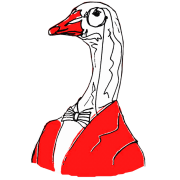
Featured Image: Tashy Back